
Vietnam enchants visitors with its vibrant cities, UNESCO-listed bays, ancient temples, and mouthwatering cuisine that blends fresh herbs, bold flavors, and French influences. This comprehensive guide to Vietnam visa and entry tips covers the latest requirements, helping you avoid common pitfalls and enjoy hassle-free travel from the moment you land.
Passport and Basic Entry Requirements
Your passport must be valid for at least six months beyond your planned departure date from Vietnam and have at least two blank pages for stamps. No COVID-19 restrictions remain — no vaccination proof, negative tests, or health declarations required. Travel insurance is highly recommended (some airlines may ask to see it), covering medical evacuation, as healthcare standards vary outside major cities.
Visa Exemption: Who Can Enter Visa-Free?
Vietnam offers generous visa-free entry to citizens of many countries, with stays up to 45 days for most (as of updates in 2023–2025). Key exemptions include:
- 45 days: Germany, France, Italy, Spain, UK, Russia, Japan, South Korea, Nordic countries (Denmark, Sweden, Norway, Finland), and additional European nations added in 2025 (Belgium, Netherlands, Poland, Czech Republic, Switzerland, etc., under temporary programs until 2028).
- 30–45 days: Several ASEAN neighbors (e.g., Thailand 30 days, Singapore 30 days) and others like Belarus.
- Shorter stays (14–15 days): Some countries like Brunei, Philippines.
Check your nationality on the official Vietnam Immigration site, as policies can extend. Visa-free travelers get an entry stamp upon arrival — no pre-application needed.
Vietnam E-Visa: The Easiest Option for Most Travelers
Since 2023, Vietnam’s e-visa is available to citizens of all countries and territories. It’s the recommended choice for hassle-free entry.
- Validity: Up to 90 days, single or multiple entry.
- Cost: $25 USD (single entry) or $50 USD (multiple entry) — non-refundable.
- Processing time: 3–5 working days (apply at least 1–2 weeks ahead; urgent options via agencies).
- Entry points: Valid at 83 ports (airports, land borders, seaports) as of the latest updates.
How to Apply for E-Visa Step-by-Step
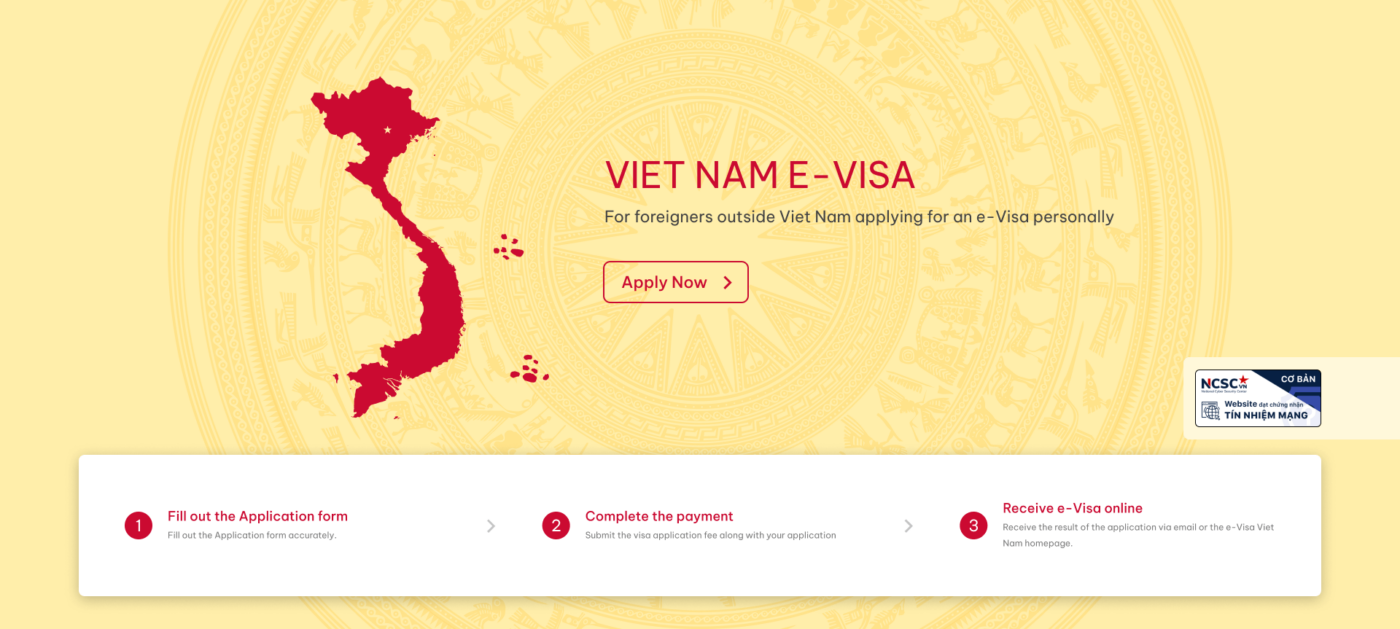
- Visit the official portal: https://evisa.gov.vn or https://evisa.xuatnhapcanh.gov.vn
- Fill out the online form: Upload a passport-style photo (no glasses) and passport data page scan. Provide entry/exit dates, port of arrival, and address in Vietnam (hotel name is fine).
- Pay the fee via electronic gateway.
- Receive approval via email (check spam). Print two copies — one for entry, one for exit.
- At immigration: Present printed e-visa, passport, and possibly onward ticket.
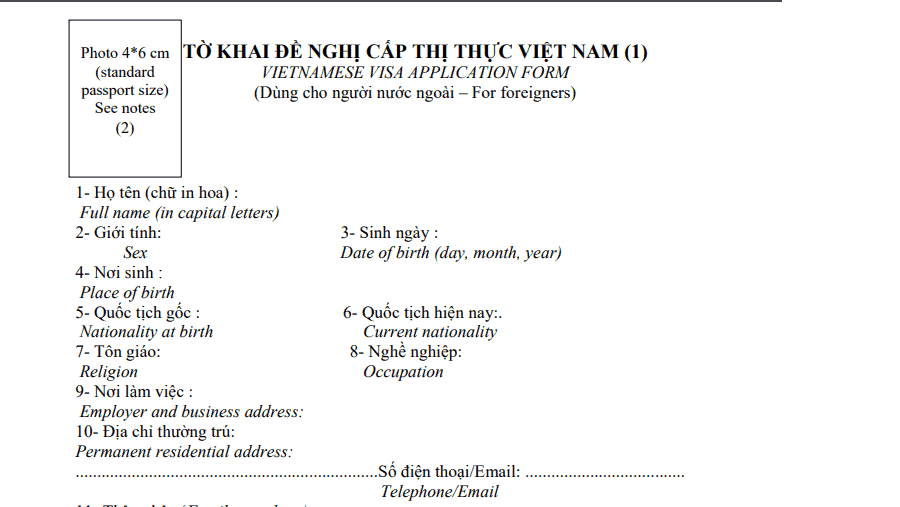
Common mistakes: Wrong dates, mismatched names, or poor-quality photos — double-check everything!
Visa on Arrival (VOA): Limited Option
Traditional VOA (with pre-approval letter) is largely phased out for tourists, replaced by e-visa. It’s now mainly for emergencies, urgent business, or specific cases (e.g., arriving by air without e-visa). Agencies can arrange fast approval letters, but expect queues and cash stamping fees ($25–50). Stick to e-visa unless in a rush.
Arrival Procedures at Vietnam Airports
Major airports (Hanoi Noi Bai, Ho Chi Minh Tan Son Nhat, Da Nang) are efficient but can get crowded.
- Disembark and follow “Immigration” signs.
- Queue for passport control: E-visa holders go to regular lanes (or fast-track if booked). Show printed e-visa/passport.
- Collect luggage, pass customs (declare valuables over $5,000).
- Exit to arrivals hall for taxis/Grab.
Overstay, Extensions, and Common Issues
Overstaying incurs fines ($10–50/day) and possible bans — leave on time or extend via Immigration offices (up to 30–90 days, fees apply). If denied entry (rare): Wrong documents, criminal record, or blacklist. Contact your embassy. Onward ticket: Sometimes checked by airlines — have proof of exit (bus/flight to Cambodia/Laos is fine).
Final Hassle-Free Tips
- Apply e-visa early via official site only — avoid third-party scams charging extra.
- Download Grab app for airport transfers (safer than taxis).
- Get a local SIM/eSIM for data upon arrival.
- Carry USD cash for emergencies (ATMs widespread).
- Check updates on official sites, as policies evolve.
With these Vietnam visa and entry tips, you’ll breeze through immigration and dive straight into the magic — whether cruising Ha Long Bay, savoring phở in Hanoi, or relaxing on Phu Quoc beaches. Vietnam welcomes you with open arms — prepare right, and your trip will be seamless from start to finish.
What’s your biggest visa worry for Vietnam? Share in the comments — happy travels!✈️
