
In this post, we’ll explore the best SIM and eSIM choices, tips for buying and activating them, and how to stay connected affordably throughout your Vietnamese adventure.
Why Connectivity Matters in Vietnam
Vietnam’s tourism infrastructure is rapidly modernizing, with widespread mobile network coverage across most cities and many rural areas. Having a local data plan helps you:
- Use navigation apps like Google Maps or Maps.me
- Book rides with Grab or Be
- Stay in contact via messaging apps
- Translate Vietnamese language instantly
- Share travel photos and updates
Without reliable mobile data, you could struggle with navigation, local bookings, and communication — especially outside major hubs like Hanoi and Ho Chi Minh City.
eSIM vs Physical SIM: Which is Right for You?
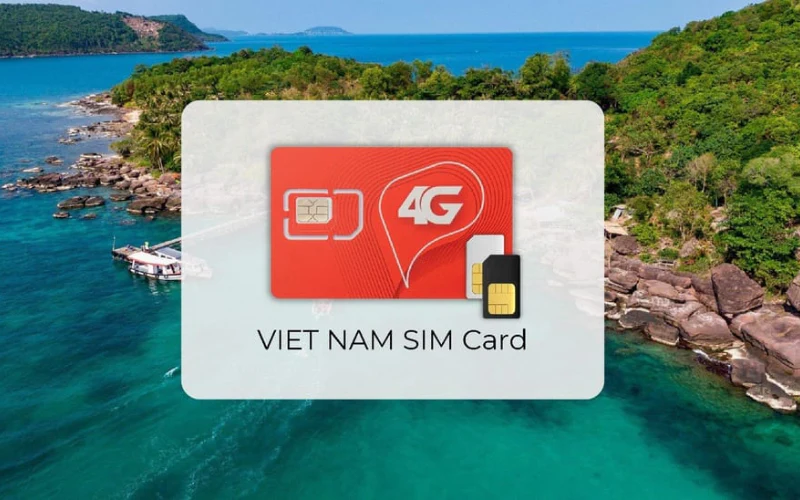
eSIM: Convenient and Quick
An eSIM is a digital SIM that you install on your phone without needing a physical card. Many modern smartphones (like newer iPhones and Android devices) support eSIMs.
Advantages:
- No need to swap physical cards
- Activate before you arrive or upon landing
- Keep your home SIM active too
- Easy to top up and manage via apps
Best for: Travelers who want instant connectivity upon arrival and don’t want to deal with physical SIM cards.
Physical SIM: Simple and Widely Available
Traditional SIM cards are still common and affordable in Vietnam. You can buy them at airports, mobile stores, and convenience stores.
Advantages:
- Often slightly cheaper than eSIM plans
- Works on most unlocked phones
- Great option if your phone doesn’t support eSIM
Best for: Travelers with unlocked phones who prefer a physical SIM and don’t mind activating it after arrival.
Top Mobile Network Providers in Vietnam
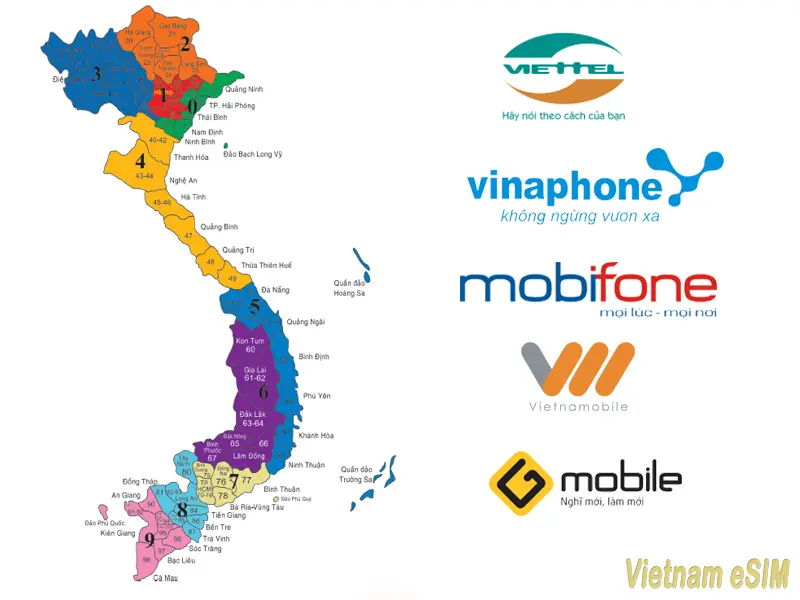
Vietnam has three major mobile network providers that offer excellent coverage and data plans:
1. Viettel
Viettel is widely regarded as Vietnam’s best network for coverage, especially in rural areas and national parks. It’s a strong choice for both urban and long-distance travel.
- Good 4G/5G coverage
- Affordable data packages
- Supports eSIM
2. Vinaphone
Vinaphone offers solid coverage in major cities and tourist destinations, with competitive data plans and reliable service.
- Fast speeds in urban areas
- Google Maps and social media access in plans
- eSIM available
3. Mobifone
Mobifone provides consistent coverage and is known for good customer support. Its data plans are easy to top up and manage.
- 4G/5G speeds in cities
- Flexible packages
- eSIM support
Most providers offer both short-term travel plans and long-term data options, making it easy to choose what fits your itinerary.
Where to Buy SIM Cards in Vietnam
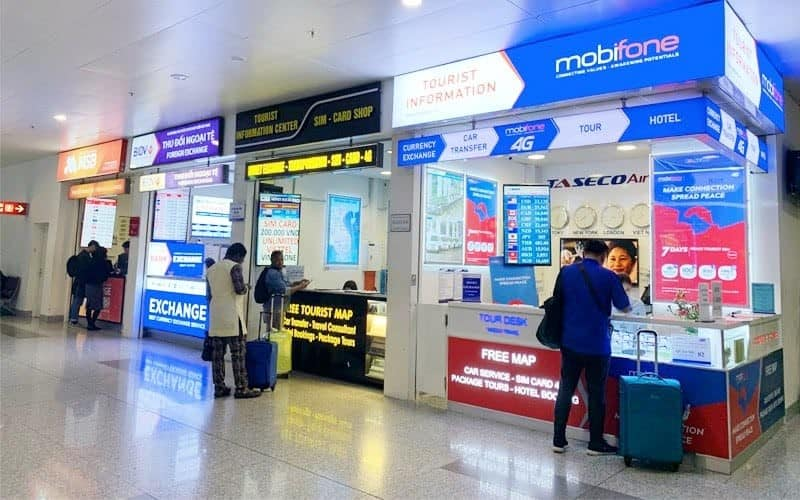
At the Airport
Many international travelers prefer buying a SIM card at the airport upon arrival. Major airports like Noi Bai (Hanoi) and Tan Son Nhat (Ho Chi Minh City) have kiosks selling SIM cards from top carriers.
Tips:
- Bring your passport (required for registration)
- Ask staff to help insert and activate the SIM
Local Mobile Stores and Convenience Stores
You can also purchase SIM cards at mobile shops, convenience stores, and shopping malls throughout Vietnam. These stores often offer more plan options and better pricing.
Tips:
- Look for official carrier stores (Viettel, Vinaphone, Mobifone)
- Compare data packages before buying
Online eSIM Purchase
You can buy and activate an eSIM before your trip through online providers. Once purchased, you will receive a QR code to install the eSIM on your phone.
Tips:
- Make sure your phone is unlocked and eSIM compatible
- Download the eSIM before arriving in Vietnam
Recommended Data Plans for Travelers
Here are some typical options that travelers often choose:
Short Trips (1–2 Weeks)
- 5–10 GB data: Great for basic use (navigation, messaging)
- Unlimited social media plans: Perfect for Instagram and Facebook
Longer Stays (1 Month+)
- 15–30 GB data or more
- Combo plans with voice and text
Most carriers also offer top-up options if you run out of data mid-trip.
Tips for Using Your SIM or eSIM in Vietnam
1. Keep a Copy of Your Passport
Carriers will register your SIM using your passport details, so keep it handy when buying the card.
2. Check Network Coverage in Your Destinations
While major cities have excellent coverage, some rural or mountainous areas may have weaker signals. Viettel typically performs best in less-populated regions.
3. Use Wi-Fi When Available
Cafés, hotels, and hostels often provide free Wi-Fi — good for saving data when streaming or downloading large files.
4. Monitor Your Data Usage
Most carriers have mobile apps that let you track data usage, top up credit, and buy add-on packages easily.
Stay Connected, Stress-Free
A reliable mobile data plan is one of the smartest travel essentials in Vietnam. Whether you choose a convenient eSIM or a classic physical SIM, good connectivity enhances your trip by keeping navigation tools, translation apps, and communication right at your fingertips.
