
In 2026, tipping remains discretionary, but it’s increasingly expected in high-tourist areas due to international visitors’ habits. Service workers in Vietnam earn modest but livable wages (often 6-10 million VND per month, or roughly $230-400 USD), so even small tips make a meaningful difference without creating dependency. The key is to tip based on satisfaction, in cash (preferably Vietnamese Dong, or VND), and discreetly—hand it directly with a smile and a “cảm ơn” (thank you).
Tipping in Restaurants and Cafes

Dining in Vietnam is one of the highlights of any trip, from steaming bowls of phở at street stalls to elegant fusion meals in upscale venues. Tipping here is not expected in most cases, particularly at local eateries, street food spots, or casual bún chả stands where locals eat. Vietnamese patrons simply pay the exact bill.
In mid-range or tourist-heavy restaurants, especially those with English menus or in hotel areas, a small tip is welcomed for good service. If a service charge (typically 5-10%) is already added to the bill—which is increasingly common in nicer places—additional tipping isn’t necessary unless the service was outstanding.
For exceptional waitstaff who go the extra mile (recommending dishes, accommodating dietary needs, or providing warm hospitality), leave 5-10% of the bill or a flat 20,000-50,000 VND ($0.80-2 USD). In fine-dining spots or cruise dining, 5-10% is more standard. For cafes serving Vietnamese coffee or banh mi, rounding up the bill or adding 10,000-20,000 VND is a nice gesture.
Street food vendors and small family-run spots rarely receive tips—paying the listed price is the norm.
Tipping in Hotels
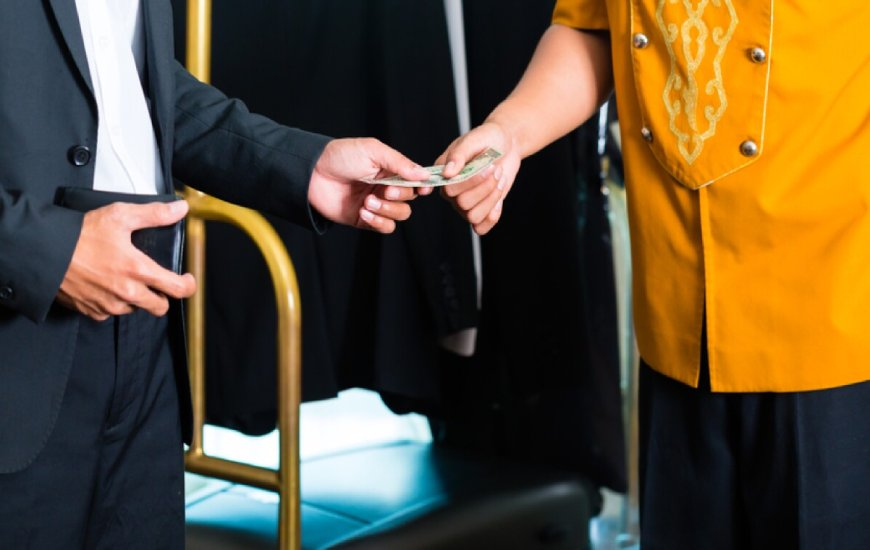
Hotels in Vietnam range from budget guesthouses to luxury resorts, and tipping practices vary accordingly. In budget or mid-range accommodations, tipping is uncommon among locals but appreciated by staff.
For housekeeping, leave 20,000-50,000 VND per night (or per stay) on the pillow or bedside table—especially if you appreciate daily cleaning and fresh towels. Bellhops or porters helping with luggage deserve 10,000-20,000 VND per bag. Concierge staff who arrange tours, book restaurants, or provide insider tips might receive 50,000-100,000 VND for exceptional help.
In high-end hotels (5-star properties in Hanoi or beach resorts in Phu Quoc), tipping is more routine, similar to international standards—10-20% equivalents for standout service. Always use cash in small denominations for ease.
Tipping Taxi and Ride-Hailing Drivers

Getting around Vietnam via taxi or apps like Grab (the local equivalent of Uber) is affordable and convenient. Tipping drivers is not required—most locals round up or keep exact change.
For short city rides, rounding up to the nearest 5,000-10,000 VND or adding 5,000-20,000 VND ($0.20-0.80) is polite if the driver is courteous, helps with bags, or navigates traffic smoothly. For longer rides or airport transfers, 10,000-50,000 VND is generous.
Private drivers hired for full-day trips (common for excursions to Halong Bay or Mekong Delta) warrant more: 50,000-100,000 VND per day, or about half what you tip the guide if they’re paired.
In-app tipping via Grab is possible and goes directly to the driver—handing cash works too.
Tipping Tour Guides and Private Drivers
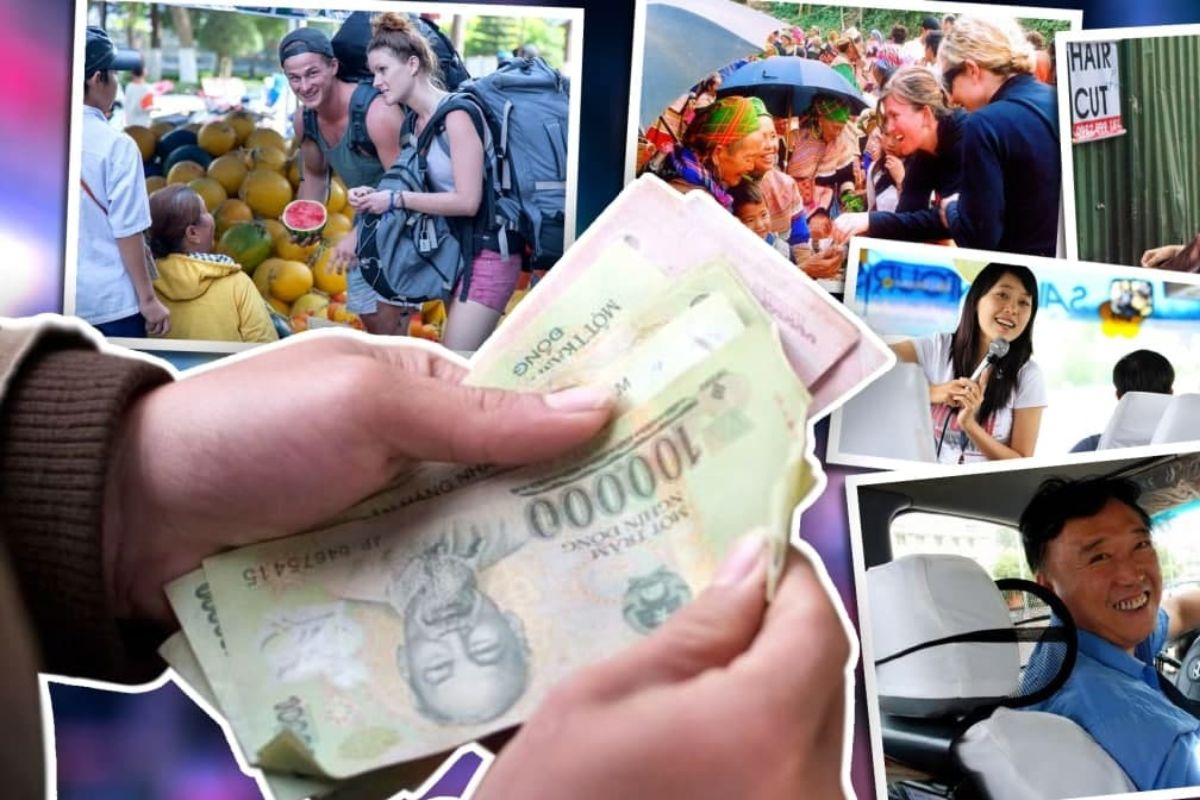
This is where tipping feels most “expected” in Vietnam’s tourism scene. Tour guides—whether for group day trips, private excursions, or multi-day adventures—often work long hours (10-12+), sharing knowledge, handling logistics, and ensuring safety.
For a full-day tour, tip your guide 100,000-200,000 VND ($4-8 USD) per person (or per group if shared), or 10-15% of the tour cost. Exceptional guides who customize experiences or handle challenges deserve the higher end. For private tours, consider 150,000-300,000 VND per day.
If the tour includes a separate driver, tip them 50,000-100,000 VND per day—roughly half the guide’s amount.
Hand tips at the tour’s end, directly to the individual, with thanks. For multi-day tours, tip daily or at the conclusion.
Other Services: Spas, Massages, and More
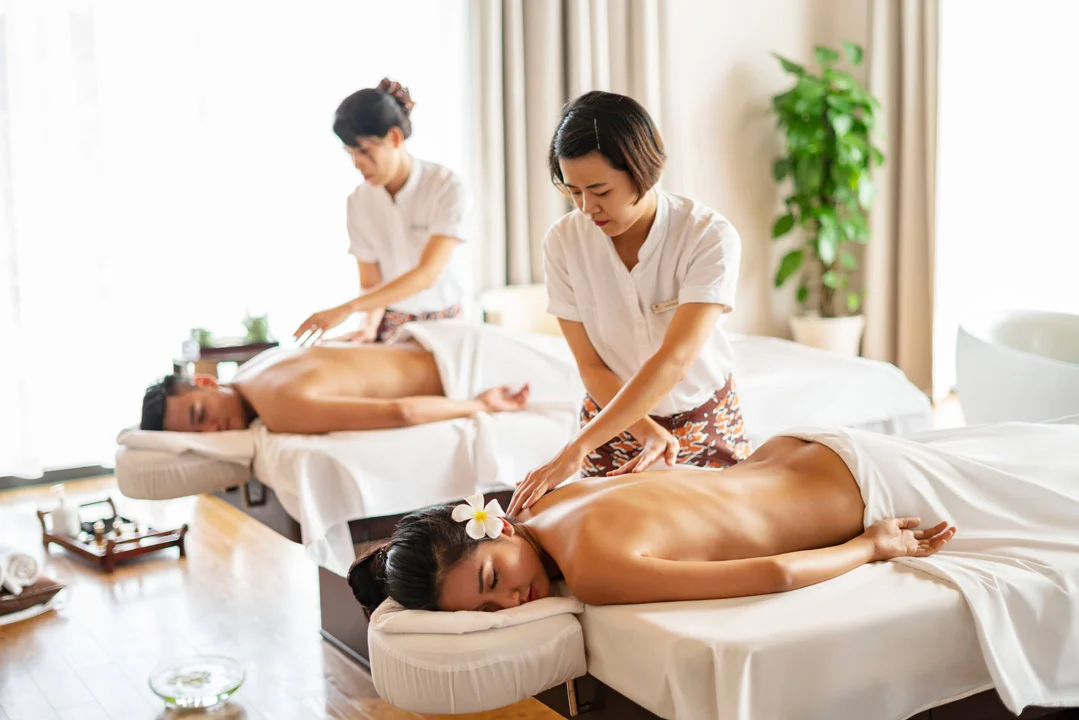
In spas or for massages (a popular activity in Vietnam), tipping 5-10% of the bill is appreciated for good service, especially in tourist spas. For street-side or local massages, it’s optional.
Other scenarios: Small tips (10,000-20,000 VND) for doormen hailing cabs or helpful market vendors aren’t standard but welcome.
General Tips and Etiquette
- Carry small VND bills (10,000, 20,000, 50,000)—ATMs dispense larger notes, so break them.
- Tip in cash, not cards/apps unless specified.
- Discretion matters—don’t flash money; hand it privately.
- No tip? No problem—if service is poor or average, skip it without guilt.
- USD vs. VND—VND is preferred; small USD notes work but may confuse.
- In rural areas or non-tourist spots, tipping is rarer—follow locals’ lead.
Tipping in Vietnam is about generosity, not expectation. Small amounts show appreciation in a culture that values respect and kindness. By tipping thoughtfully, you enhance interactions and leave positive impressions.
As tourism evolves, customs may shift, but for now, keep it optional and heartfelt. Safe travels—and enjoy the incredible service Vietnam’s people offer!
