
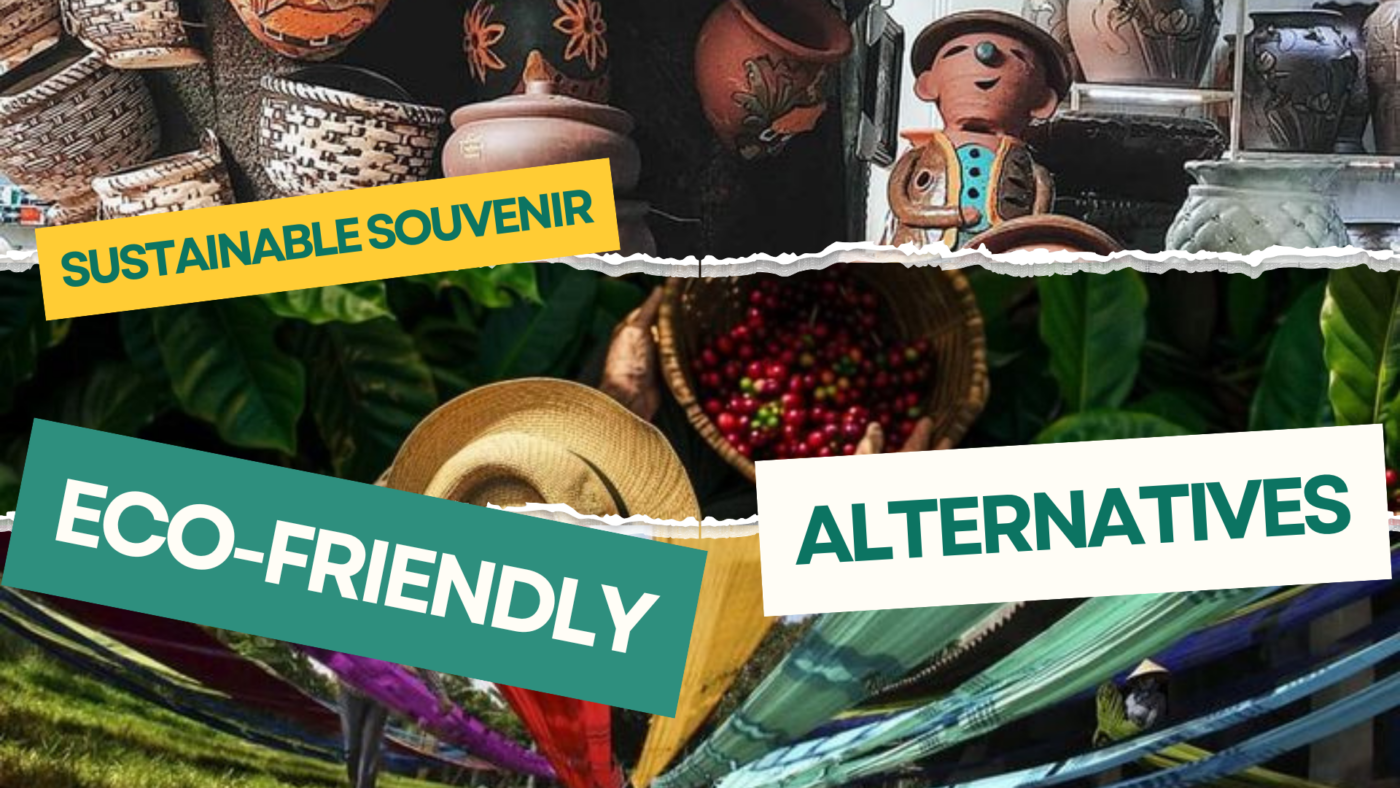
From conical hats in Hanoi to silk lanterns in Hoi An and coconut products in the Mekong Delta, the options are endless. However, mass-produced trinkets—often plastic-heavy, imported, or sourced unethically—can contribute to environmental harm and exploit artisans. As responsible travelers, opting for sustainable souvenirs means choosing items that support local communities, preserve traditions, use eco-friendly materials, and minimize waste. In 2026, with growing awareness of plastic pollution and climate impacts, Vietnam’s eco-conscious scene is thriving—think bamboo crafts, upcycled goods, fair-trade textiles, and natural edibles that tell a meaningful story.
Responsible souvenir shopping in Vietnam focuses on three pillars: ethical sourcing (supporting artisans and social enterprises), environmental impact (biodegradable, recycled, or renewable materials), and cultural authenticity (handmade items rooted in Vietnamese heritage). Avoid ivory, endangered wildlife products, or cheap factory-made knockoffs. Instead, seek out social enterprises, artisan cooperatives, and shops emphasizing sustainability. Places like Hanoi’s Old Quarter, Hoi An’s tailor streets, Saigon’s Benon Market, and specialized stores offer these treasures.
1. Bamboo and Rattan Products
Bamboo—Vietnam’s “green gold”—grows rapidly (up to 1 meter per day), requires no pesticides, and regenerates quickly, making it one of the most sustainable materials. Artisans in villages like Phú Vinh near Hanoi craft durable, lightweight items that last years.
Popular choices include:
- Woven baskets, trays, and hats
- Bamboo straws, cups, cutlery, and canisters
- Decorative bowls, boxes, or lampshades
These are functional for daily use, lightweight for travel, and fully biodegradable. Look for handmade pieces from local markets or brands like Oceans Republic for certified eco-friendly options.
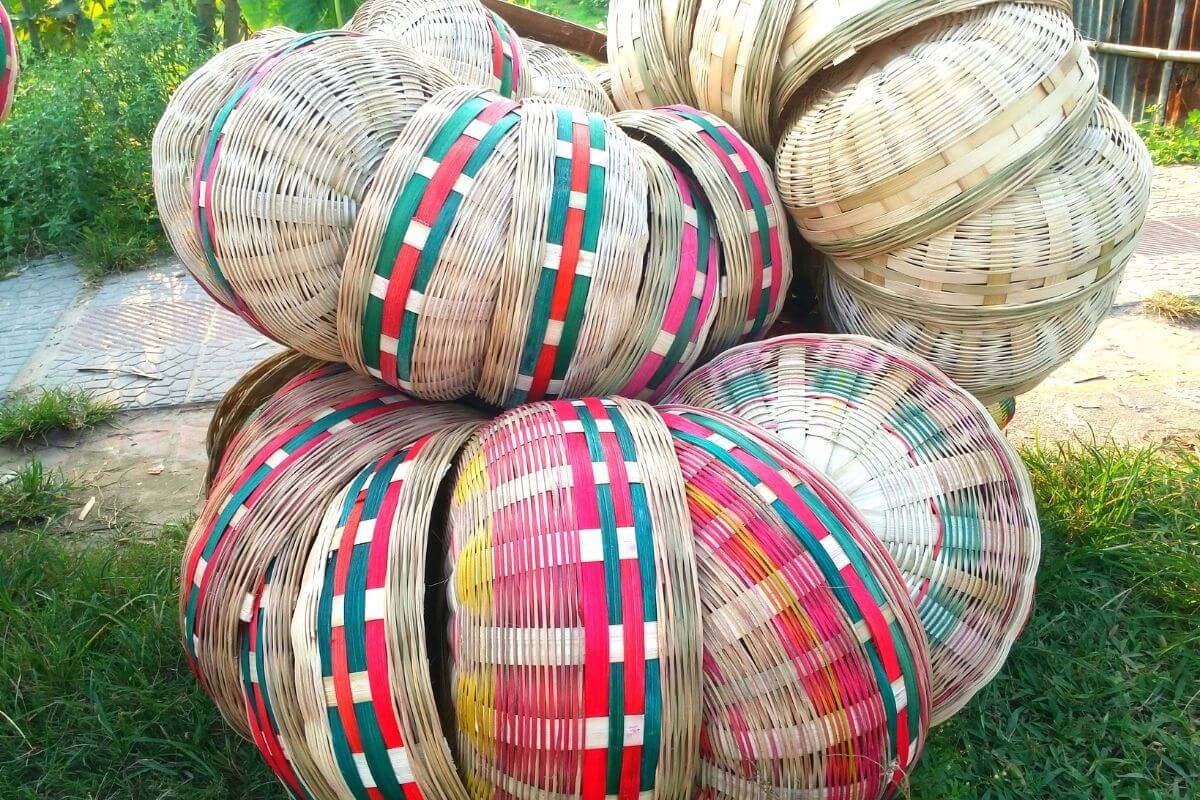
Handwoven bamboo and rattan baskets showcase traditional Vietnamese craftsmanship—perfect eco-friendly alternatives to plastic storage.
2. Water Hyacinth and Upcycled Bags
Water hyacinth, an invasive plant choking Vietnam’s waterways (especially the Mekong), is harvested and transformed into beautiful, sturdy bags, totes, and mats by social enterprises. Mekong Quilts, a standout organization, employs underprivileged women to weave these invasive weeds into chic accessories, clearing waterways while providing sustainable income.
These bags are durable, stylish, and tell a powerful story of environmental restoration and empowerment. Other upcycled options include bags from recycled plastic—woven into colorful, sturdy textiles that reduce waste.
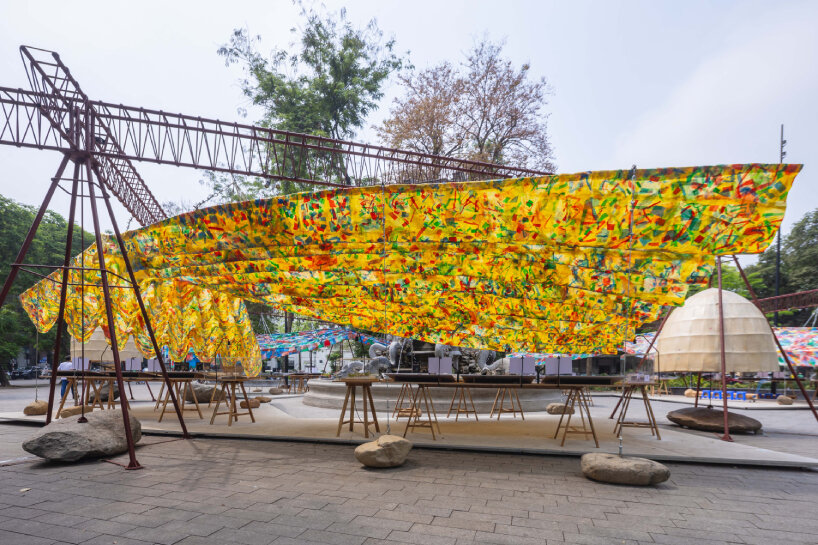
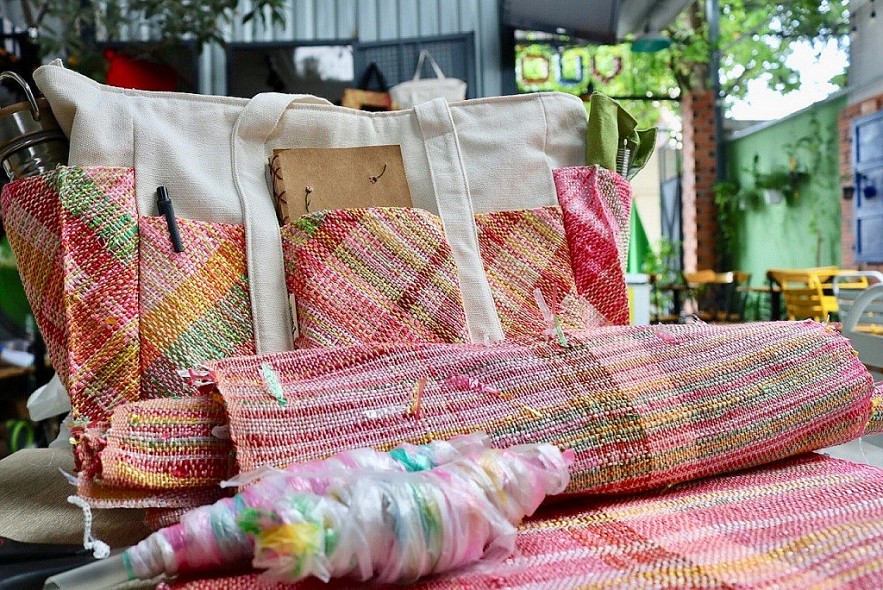
Upcycled plastic weaves create vibrant, durable bags—turning pollution into practical souvenirs.
3. Vietnamese Coffee and Tea
Vietnam is a top coffee exporter, with robusta and arabica beans from the Central Highlands. Choose ethically sourced, fair-trade beans from cooperatives like K’Ho Coffee in Da Lat or brands emphasizing sustainable farming (shade-grown, no chemicals).
Packaged in eco-friendly bags, these make lightweight, flavorful souvenirs. Pair with a traditional phin filter. Herbal teas like lotus-infused green tea or lemongrass blends offer natural, low-impact alternatives.
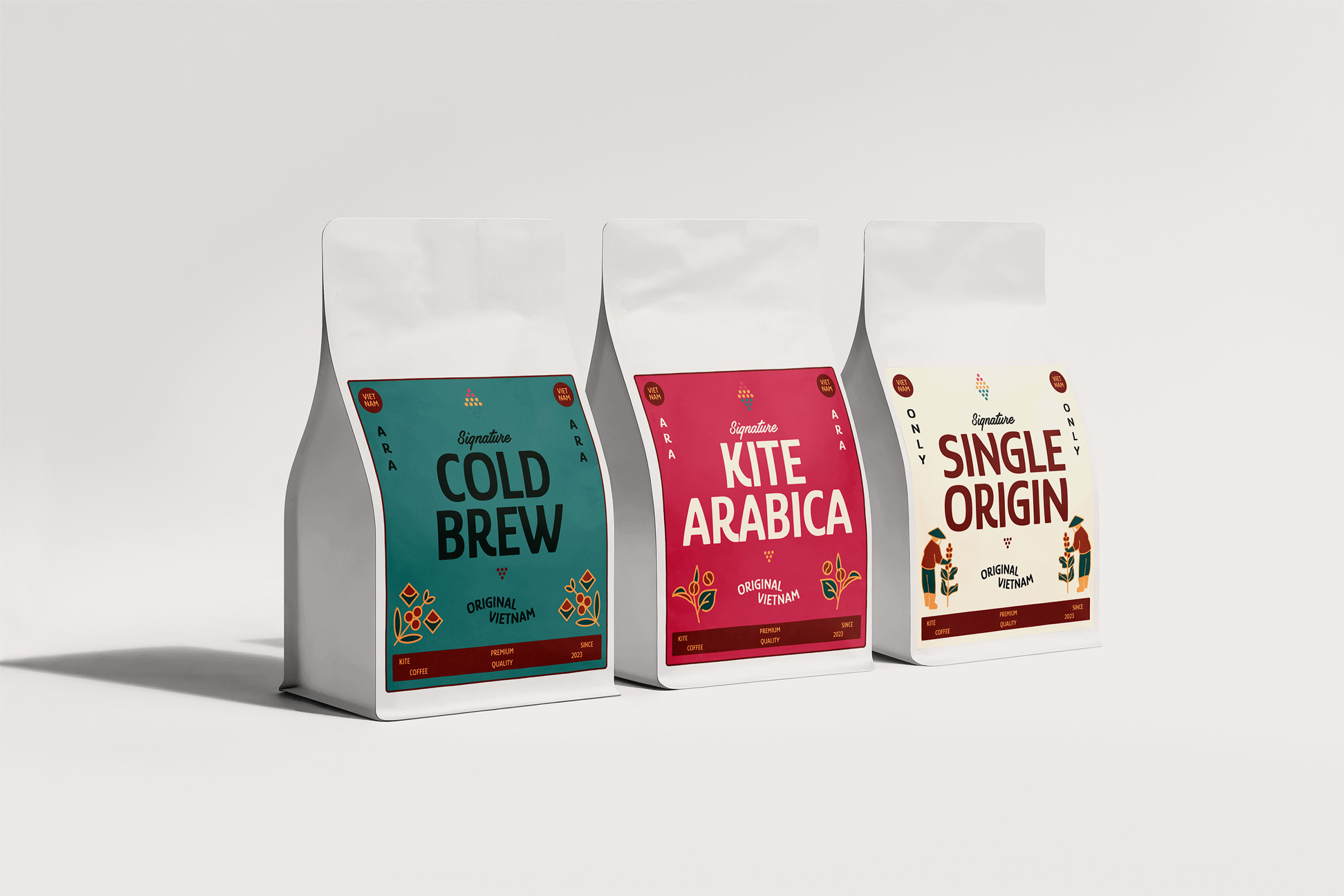
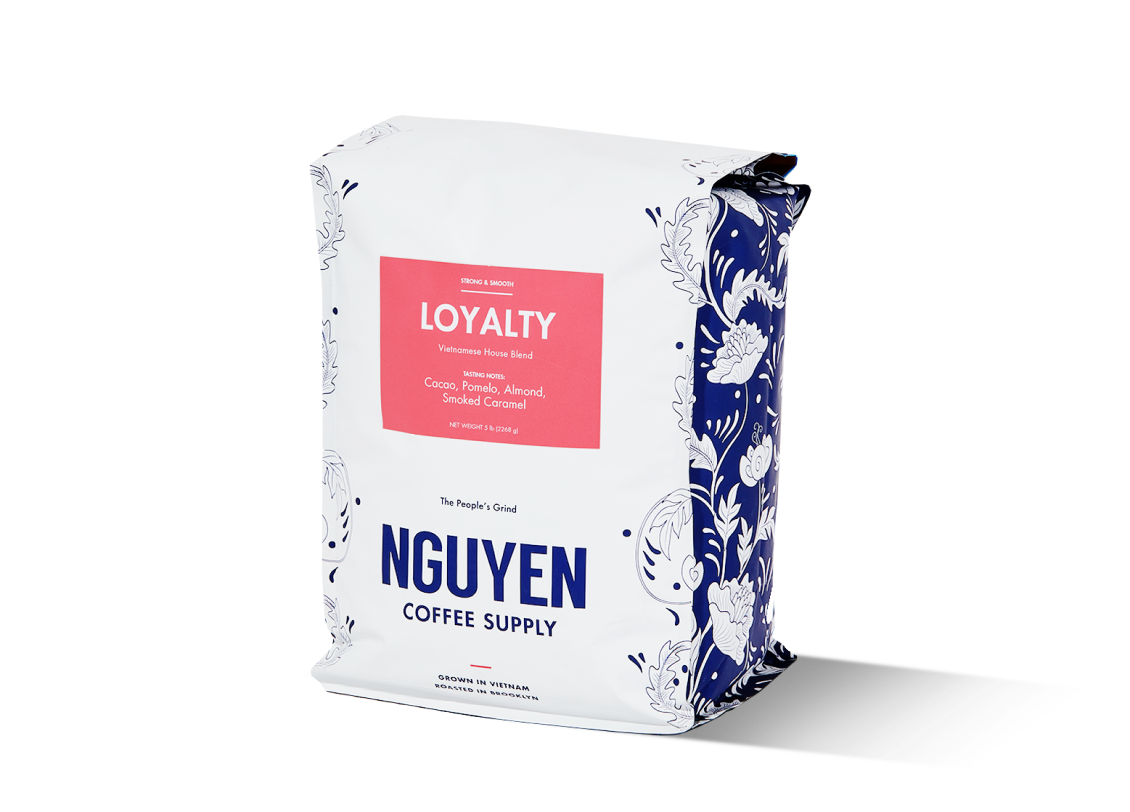
Sustainable Vietnamese coffee in artistic packaging brings home the bold flavors of the highlands.
4. Handcrafted Textiles and Silk
Traditional silk from villages like Van Phuc near Hanoi is luxurious and often produced sustainably with natural dyes. Look for hand-dyed or embroidered scarves, shawls, or small items from artisan cooperatives supporting ethnic minorities (e.g., indigo-dyed textiles in Sapa from Indigo Cat).
Avoid mass-produced synthetics; opt for natural-fiber pieces that support fair wages.
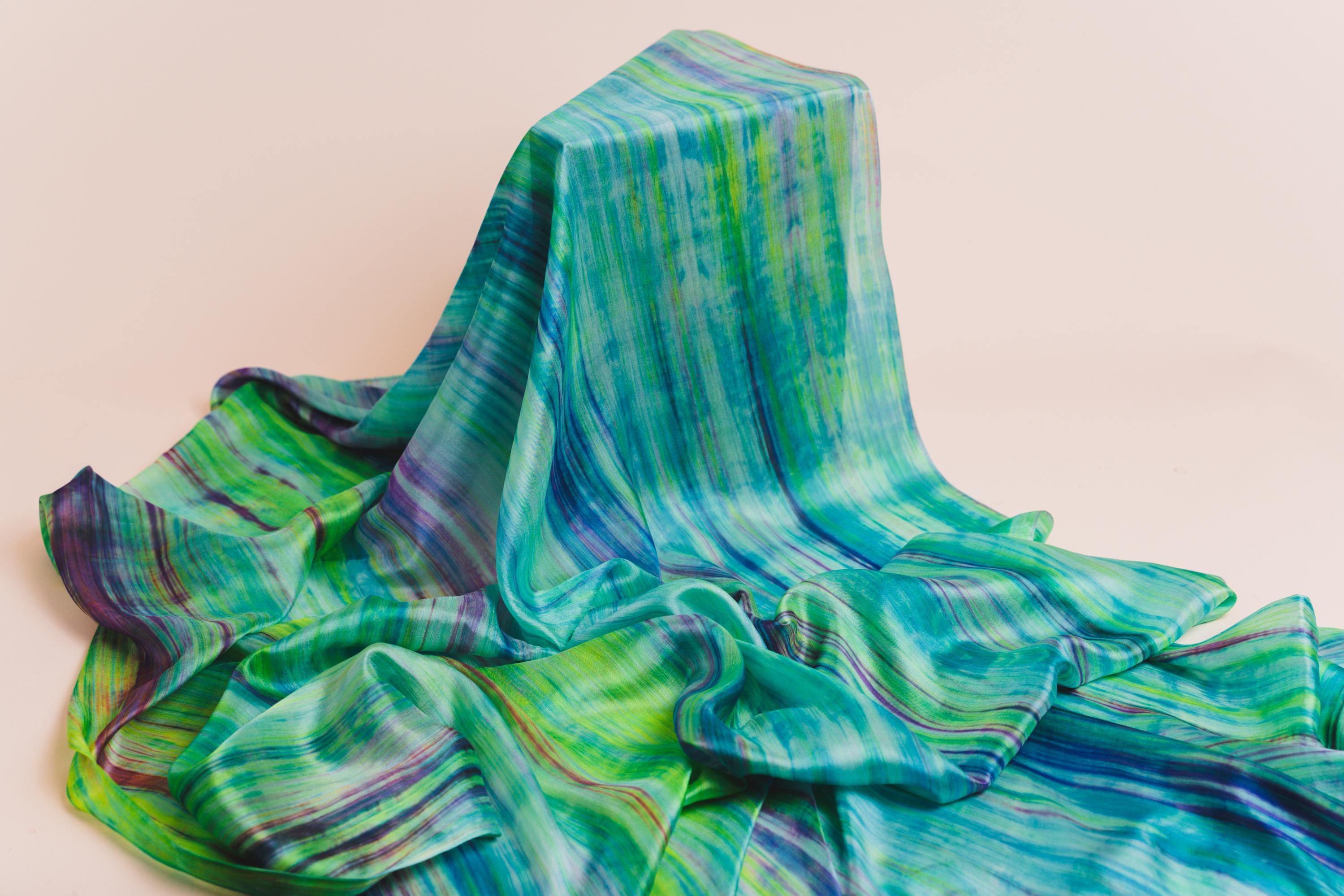
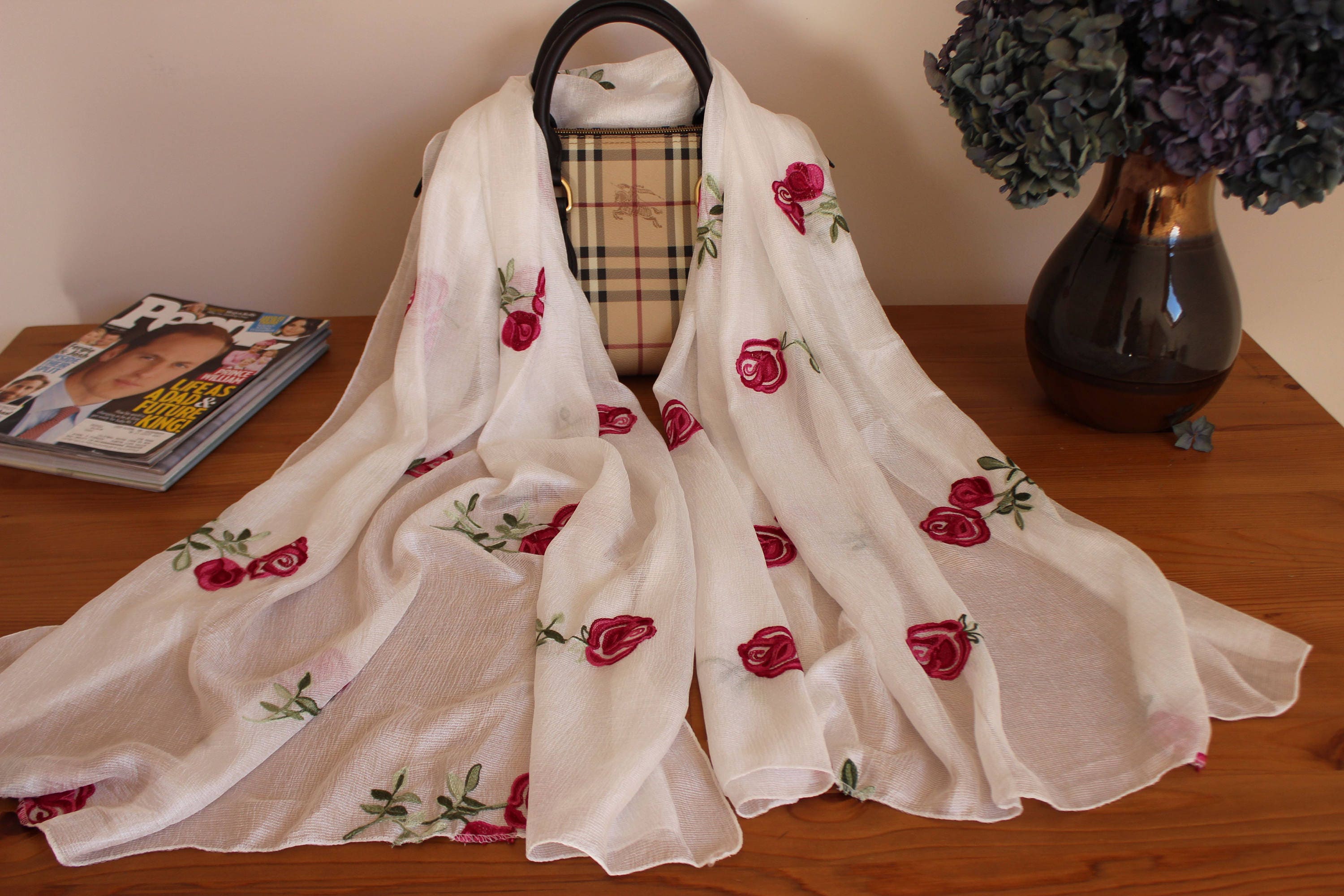
Hand-dyed mulberry silk scarves offer vibrant, eco-conscious elegance from Vietnam’s silk heritage.
5. Coconut Shell and Natural Products
Coconut shells—abundant agricultural waste—are carved into bowls, spoons, jewelry, or candle holders. Markets in the south feature handmade coconut items that are biodegradable and support local farmers.
Natural beauty products like coconut oil soaps, rice bran lotions, or herbal balms in eco-packaging align with sustainable beauty trends.
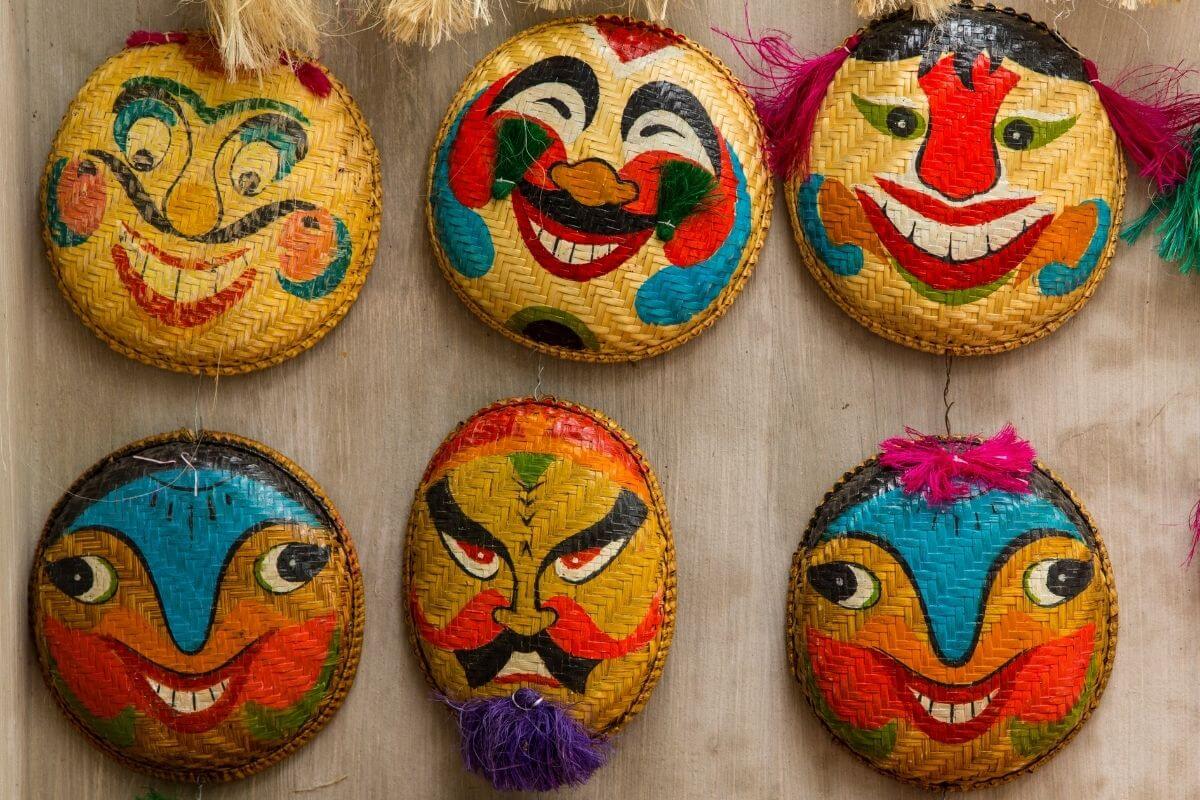
13 Best Vietnamese Souvenirs to Buy to Remember Your Trip
Colorful woven masks and crafts from natural fibers highlight playful, sustainable Vietnamese artistry.
6. Ceramics, Lacquerware, and Recycled Goods
Handcrafted ceramics from social enterprises like Reaching Out in Hoi An (employing people with disabilities) feature elegant tea sets. Traditional lacquerware uses natural resins—seek eco-conscious versions.
Recycled paper notebooks or upcycled metal jewelry add unique, low-impact touches. Stores like Saigon Eco Craft curate these ethical items.
Where to Shop Responsibly
- Hanoi: Old Quarter markets or ETHOS for ethnic crafts.
- Hoi An: Reaching Out Ceramics.
- Ho Chi Minh City: Saigon Eco Craft, Benon Market for coconut items.
- Sapa: Indigo Cat or local cooperatives.
- Online/Enterprises: Mekong Quilts, YESD tours shops.
Final Tips for Responsible Souvenir Shopping
- Buy directly from artisans or social enterprises.
- Ask about materials and production.
- Choose small, packable items to reduce transport emissions.
- Support fair prices—ethical items cost more but create real impact.
By selecting sustainable souvenirs, you honor Vietnam’s culture, protect its environment, and empower communities. These choices turn mementos into meaningful contributions—bringing home not just objects, but stories of positive change. Happy, conscious shopping in Vietnam!
