

Return trip planning becomes the natural next step: going deeper, slower, and more intentionally. Whether it’s revisiting a favorite spot with fresh eyes or finally reaching the places you missed the first time, your second Vietnam visit can be even more rewarding. Here’s how to build it right away. ✈️
Why a Return Trip Feels Different
The first trip is usually about checking off the icons: Ha Long Bay cruise, Hoi An tailoring, Cu Chi Tunnels, Mekong Delta boat ride. The second trip shifts focus. You already know the rhythm of the country — the honking motorbikes, the warm smiles, the way a bowl of phở can fix almost anything. Now you can skip the tourist traps, linger longer in meaningful places, and explore the quieter corners that reveal Vietnam’s true soul. Return visitors often report feeling like they’re coming home rather than visiting anew.
1. Revisit Favorites with Deeper Intention
Return trips are perfect for rediscovering places you loved — but this time slower and more intimately.
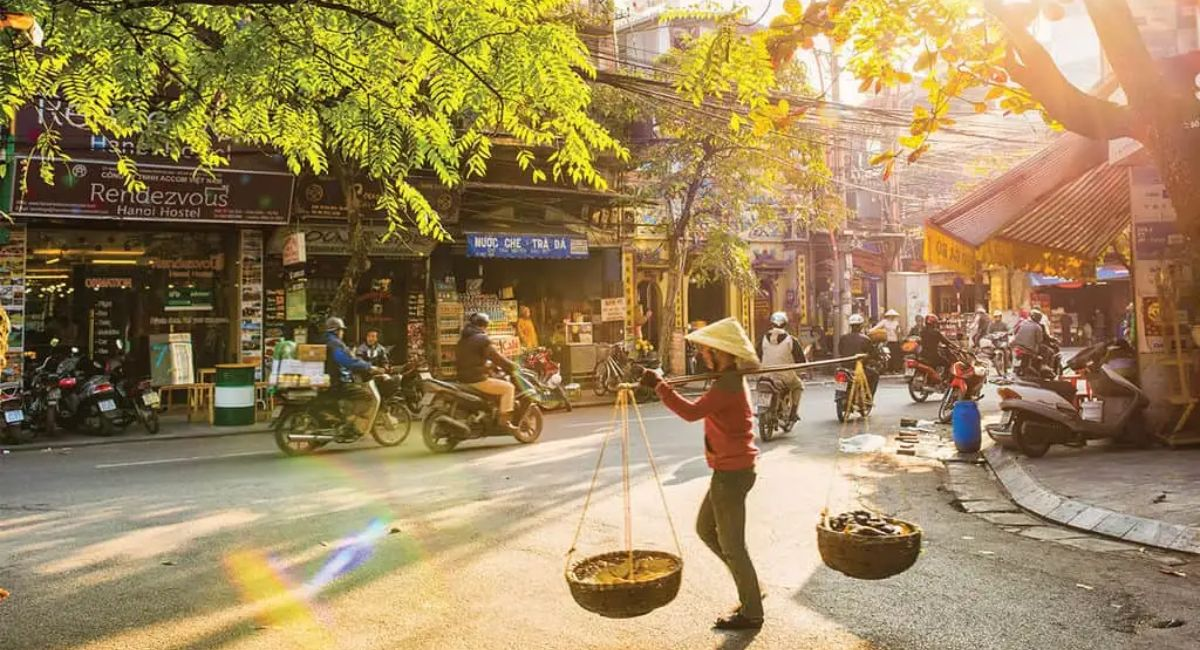
Hanoi Old Quarter — Stay in a boutique homestay instead of a hotel; join a local cooking class or spend evenings at hidden cafés.
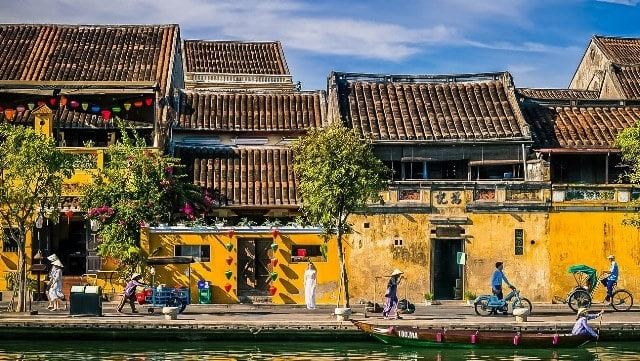
Hoi An — Skip the day crowds; book a lantern-making workshop at night, cycle to Tra Que village at dawn, or take a private boat ride on the Thu Bon River.
Ha Long / Lan Ha Bay — Upgrade to a 3–4 day private or small-group cruise; explore hidden lagoons and overnight on less-visited islands.
Tip: Choose off-peak months (April–May or September–October) for quieter, more personal experiences.
2. Reach the Places You Missed the First Time
Many first-timers stick to the classic north–central–south route. The second trip opens up Vietnam’s wilder, less-traveled regions.
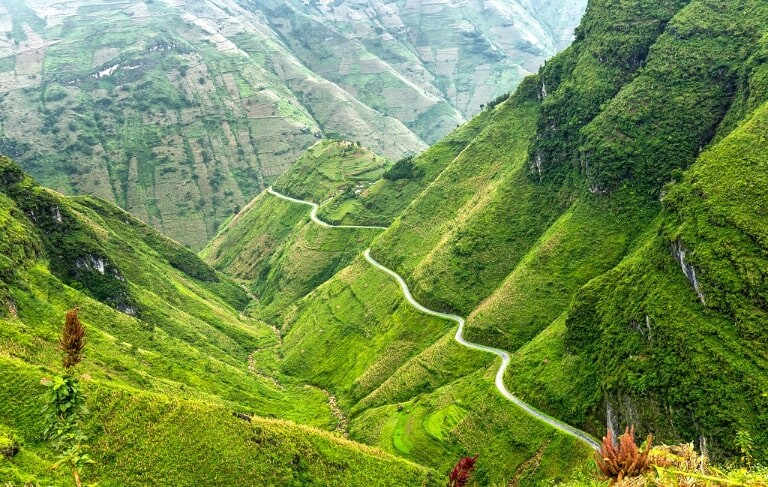
Ha Giang Loop — The ultimate northern motorbike adventure — dramatic karst plateaus, ethnic villages, and winding mountain roads.
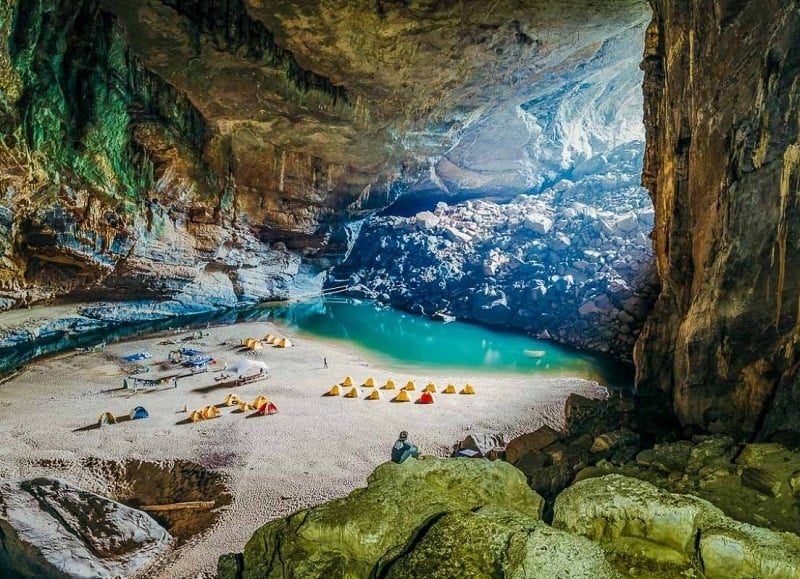
Phong Nha-Ke Bang National Park — Explore the world’s largest caves (Hang En, Tu Lan) or take a multi-day trek with Oxalis Adventure.
Con Dao Islands — Remote beaches, sea-turtle nesting sites, and the haunting Con Dao Prison museum — Vietnam’s “Alcatraz.”
Moc Chau Plateau — Rolling tea hills, plum blossoms, and ethnic minority villages — especially magical in winter.
Tip: Rent a motorbike with a reliable shop (Tuan Motorbike, Rentabike Vietnam) and carry an International Driving Permit (1968 Convention).
3. Focus on Immersion & Slow Travel
Second visits are ideal for slowing down and living more like a local.
Homestays & village stays — Spend 3–7 nights in Mai Chau, Pu Luong, Tra Que, or Mekong Delta homestays; help with daily tasks, share meals, learn phrases.
Longer regional stays — Base yourself in Da Lat for a week (cool climate, flower farms, coffee culture) or Ninh Binh (karst landscapes, boat rides).
Volunteer or learn — Short English-teaching, organic farming, or conservation projects add purpose and connection.
Tip: Book longer stays via Airbnb, Booking.com, or directly through homestays for better rates and authenticity.
4. Build a Balanced 2026 Return Itinerary
Sample 14–21 day second-trip itinerary:
Days 1–4: Hanoi
Revisit Old Quarter, explore hidden cafés, take a street-food night tour.
Days 5–8: Ha Giang or Sapa
Motorbike loop or deeper trekking and village homestays.
Days 9–12: Central Vietnam \
Hoi An (lanterns, tailoring, cooking), Da Nang (beach, Dragon Bridge), or Hue (Imperial City).
Days 13–18: Mekong Delta or Phu Quoc/Con Dao
Homestay in Can Tho or relax on islands.
Days 19–21: Ho Chi Minh City
Rooftop bars, War Remnants Museum, Saigon street life.
Customize by interest: food, adventure, relaxation, culture, or family.
Practical Tips for Return Trip Planning
Timing — Avoid Tet (Lunar New Year, Feb 2026) unless you want the cultural experience; shoulder seasons (Mar–May, Sep–Nov) offer great weather and fewer crowds.
Transport — Mix overnight trains (Reunification Express), domestic flights (VietJet, Bamboo Airways), and private drivers/Grab for flexibility.
Budget — Second trips often cost less (familiar routes, longer stays, better bargaining).
Mindset — Embrace “less is more” — fewer destinations, deeper experiences.
Safety & health — Update travel insurance, pack familiar medications, carry cash for rural areas.
A return trip to Vietnam isn’t just a vacation — it’s a homecoming. You’ll rediscover favorite places with new eyes, finally reach the corners you missed, and create even richer memories. The country rewards repeat visitors with deeper beauty and warmer welcomes.
Where are you most excited to return — the misty north or tropical south? Share your return-trip dreams in the comments — Vietnam is waiting for round two!✈️
