
Discover the transformative power of regenerative tourism in Vietnam, where travelers explore breathtaking nature and vibrant communities while actively giving back. From sustainable eco-tours in Sapa’s terraced rice fields and Ha Long Bay’s emerald waters to community-based homestays in the Mekong Delta and forest bathing retreats in the northern highlands, experience meaningful travel that restores ecosystems, empowers local people, and promotes green tourism practices.
Why Choose Vietnam for Regenerative Travel?

Vietnam’s allure lies in its breathtaking diversity—from jagged karst mountains and lush jungles to winding rivers and pristine beaches. But what makes it ideal for regenerative tourism is the blend of natural wonders with resilient communities eager to share their heritage. The country is actively pursuing green solutions, as highlighted at events like the Global Environment Forum Expo 2024, where Vietnam showcased efforts to build a regenerative industry through sustainable practices. With over 30 national parks and UNESCO sites, Vietnam provides ample opportunities to engage in eco-friendly adventures that benefit locals.
Moreover, Vietnam’s tourism sector is rebounding post-pandemic with a focus on quality over quantity. Community-based models empower rural areas, where visitors fund projects like organic farming or wildlife protection. This not only preserves cultural traditions but also combats poverty. For example, trekking in remote areas can support carbon sequestration by protecting forests. Travelers report deeper connections, as interactions with hosts foster mutual respect and learning. In a world grappling with overtourism, Vietnam’s regenerative approach ensures that exploration enhances rather than exploits, making it a model for Asia.
Read More:
Top Destinations for Regenerative Tourism in Vietnam
Vietnam boasts several hotspots where regenerative principles come alive. Let’s dive into some must-visit areas.
Ha Long Bay and Cat Ba Island: Marine Restoration and Eco-Adventures
Ha Long Bay, a UNESCO World Heritage Site, is renowned for its emerald waters and limestone karsts. Regenerative tourism here involves kayak tours that avoid crowded spots, focusing on marine cleanups and supporting fishing communities. On nearby Cat Ba Island, visitors can join national park hikes that fund biodiversity conservation, protecting endangered species like the Cat Ba langur. Eco-lodges use solar power and promote plastic-free initiatives, turning tourism into a force for ocean health.

Sapa and the Northern Highlands: Community Empowerment Through Agro-Tourism
In the northwest, Sapa’s terraced rice fields and ethnic minority villages offer immersive regenerative experiences. Trek with H’mong or Dao guides who share indigenous knowledge, and participate in homestays that reinvest in education and infrastructure. Regenerative programs here include planting native trees to prevent soil erosion and supporting organic farming cooperatives. This not only preserves cultural heritage but also boosts local economies, reducing migration to cities.

Lush Terraced Rice Fields in Vietnam · Free Stock Photo
Visitors can join workshops on traditional weaving or herbal medicine, ensuring traditions thrive while providing authentic insights.
Mekong Delta: Riverine Sustainability and Homestays
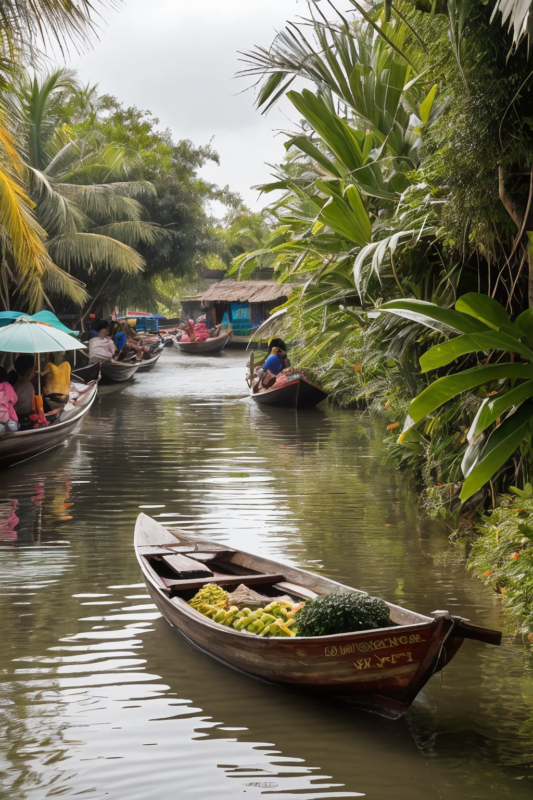
The Mekong Delta’s labyrinth of waterways is perfect for slow travel. Regenerative tourism emphasizes cycling tours through fruit orchards and visits to floating markets, where you support zero-waste initiatives. Homestays in areas like Ben Tre focus on composting and organic gardening, turning agricultural waste into fertilizer. Boat trips highlight mangrove restoration projects that combat salinity intrusion from climate change.
Phong Nha-Ke Bang National Park: Cave Exploration and Forest Regeneration

This UNESCO site in central Vietnam features ancient caves and dense jungles. Regenerative tours include guided caving with minimal impact, where fees fund reforestation and anti-poaching efforts. Community programs involve locals in guiding, ensuring economic benefits while protecting biodiversity.
Con Dao Islands: Circular Economy and Wildlife Conservation
Off the southern coast, Con Dao applies circular economy principles to tourism. Visitors participate in turtle conservation, beach cleanups, and eco-diving that monitors coral reefs. The islands’ prisons-turned-museums add a historical layer, with regenerative models transforming tourists into stewards.

Engaging Activities: How to Give Back While Exploring
Regenerative tourism thrives on active participation. In Vietnam, try forest bathing retreats that combine wellness with nature immersion, restoring mental health while funding habitat protection. Join zero-waste workshops in Hoi An, learning to recycle plastics into crafts or compost organics. Community-based trekking in the highlands uplifts locals by channeling funds into ecosystem repair, like river cleanups or tree planting.
For wildlife lovers, volunteer in national parks for biodiversity monitoring, contributing to data that informs conservation. Cultural exchanges, such as staying with ethnic families, promote fair trade and preserve traditions. These activities not only enrich your trip but also create lasting positive change, pulling more carbon from the atmosphere and enhancing local decision-making.
Practical Tips for Regenerative Travelers in Vietnam
To maximize impact, choose certified eco-operators and pack reusables to minimize waste. Offset flights through verified programs and prioritize public transport or biking. Respect cultural norms by learning basic Vietnamese phrases and supporting women-led initiatives. Track your footprint with apps and share experiences to inspire others. Remember, small actions—like refusing single-use plastics—amplify when scaled.
Conclusion: A Path to Meaningful Travel
Regenerative tourism in Vietnam invites you to explore with purpose, giving back to the nature and communities that make it magical. By choosing this path, you contribute to a resilient future, where travel heals rather than harms. Plan your next adventure today—Vietnam awaits with open arms and endless opportunities to make a difference.
