
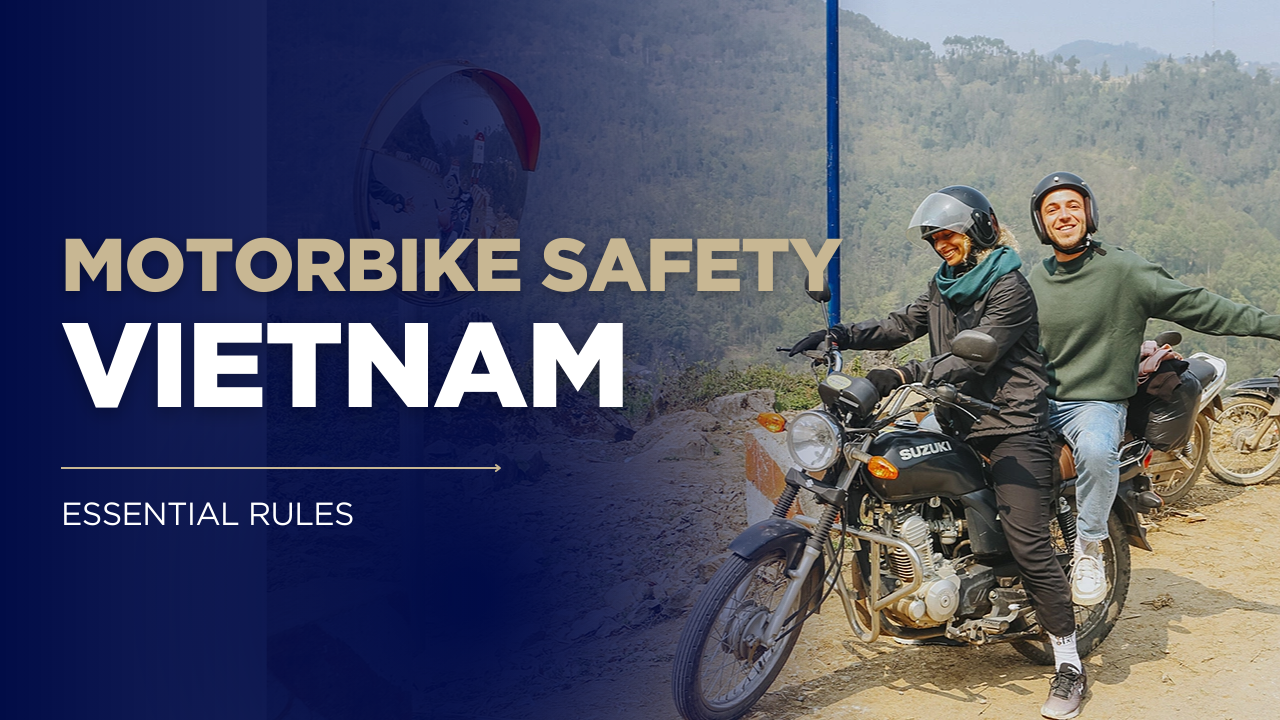
Vietnam’s roads are legendary — a symphony of honking scooters weaving through ancient streets, mountain passes, and coastal highways that promise adventure at every turn. Mastering motorbike safety tips is essential to enjoying the freedom of two wheels while staying safe and legal. This guide provides practical, up-to-date rules and advice for riding Vietnam’s roads responsibly. 🏍️
1. Understand Vietnam’s Motorbike Laws for Foreigners ( Latest Update)
Vietnam requires a valid license for any motorbike over 50cc (most rentals are 110–150cc).
- An International Driving Permit (IDP) based on the 1968 Vienna Convention + your home country’s motorbike license is accepted.
- IDPs based on the 1949 Convention are not valid — check the small print on your IDP.
- Without proper documents, fines range from 2–8 million VND (~$80–$320 USD), possible bike impoundment, and voided travel insurance in case of accident.
- Always carry: passport (or copy), visa, IDP + home license, bike registration (from rental shop), and helmet.
- Zero tolerance for alcohol (0.00% BAC for riders) — even one beer can lead to heavy fines or jail time.
- Helmet law: Mandatory for driver and passenger; must be properly fastened and meet Vietnamese standards (full-face preferred).
- Passenger limit: Legally max 1 passenger (total 2 people) except in emergencies or with children under 14.
Pro tip: Rent from reputable shops (e.g., Tuan Motorbike, Rentabike Vietnam) that provide legal paperwork and 24/7 support.
2. Assess Your Skill Level Before Renting
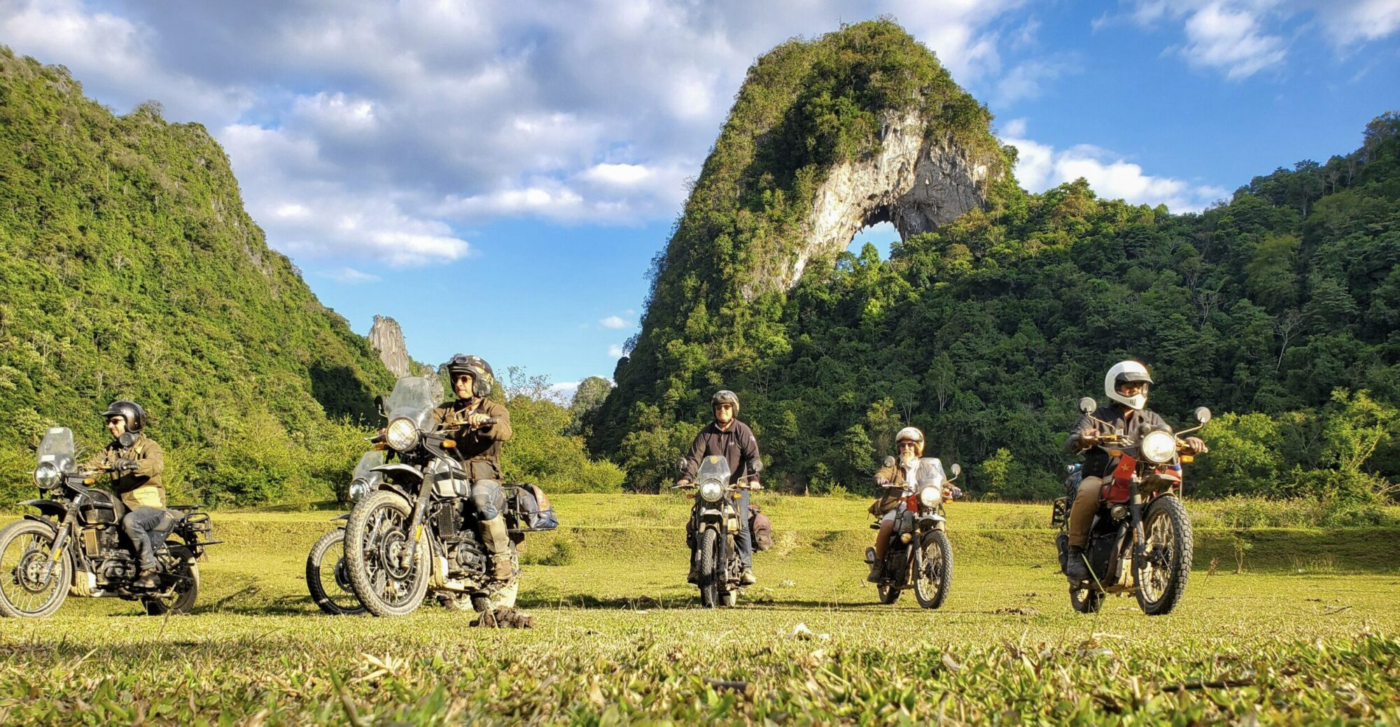
Vietnam’s traffic is unlike anywhere else — unpredictable flows, sudden stops, pedestrians, and animals all share the road.
- If you’re a beginner or haven’t ridden in years, do not rent independently. Join a guided tour (Easy Riders, Vietnam Motorbike Tours) with experienced local drivers.
- Practice first in low-traffic areas (quiet neighborhoods or rural roads) before tackling cities or mountain passes.
- Start with automatic scooters (Honda Air Blade, Yamaha NVX) — easier than manual gears for novices.
3. Essential Gear for Safety
- Helmet — Bring your own DOT/ECE-approved full-face helmet if possible; rental helmets are often low-quality.
- Protective clothing — Long pants, closed shoes, jacket (even in heat), gloves. UV-protective arm sleeves help against sun and road rash.
- Visibility — Bright/reflective clothing; use headlights day and night (required by law).
- Other — Sunglasses, rain poncho (rainy season), phone mount for maps, and a small first-aid kit.
4. Mastering Traffic Flow & Etiquette
- Flow with traffic — Vietnamese riders rarely stop fully; they merge predictably. Ride steadily, predict gaps, and signal intentions clearly.
- Horn usage — Honk to say “I’m here” — short beeps for passing or alerting, not anger.
- Lane discipline — No strict lanes — use the left for faster traffic, right for slower.
- Intersections & roundabouts — Yield to bigger vehicles; make eye contact and move steadily.
- Crossing the street on foot — Walk slowly and predictably; motorbikes will flow around you.
5. Specific Safety Tips for Popular Routes
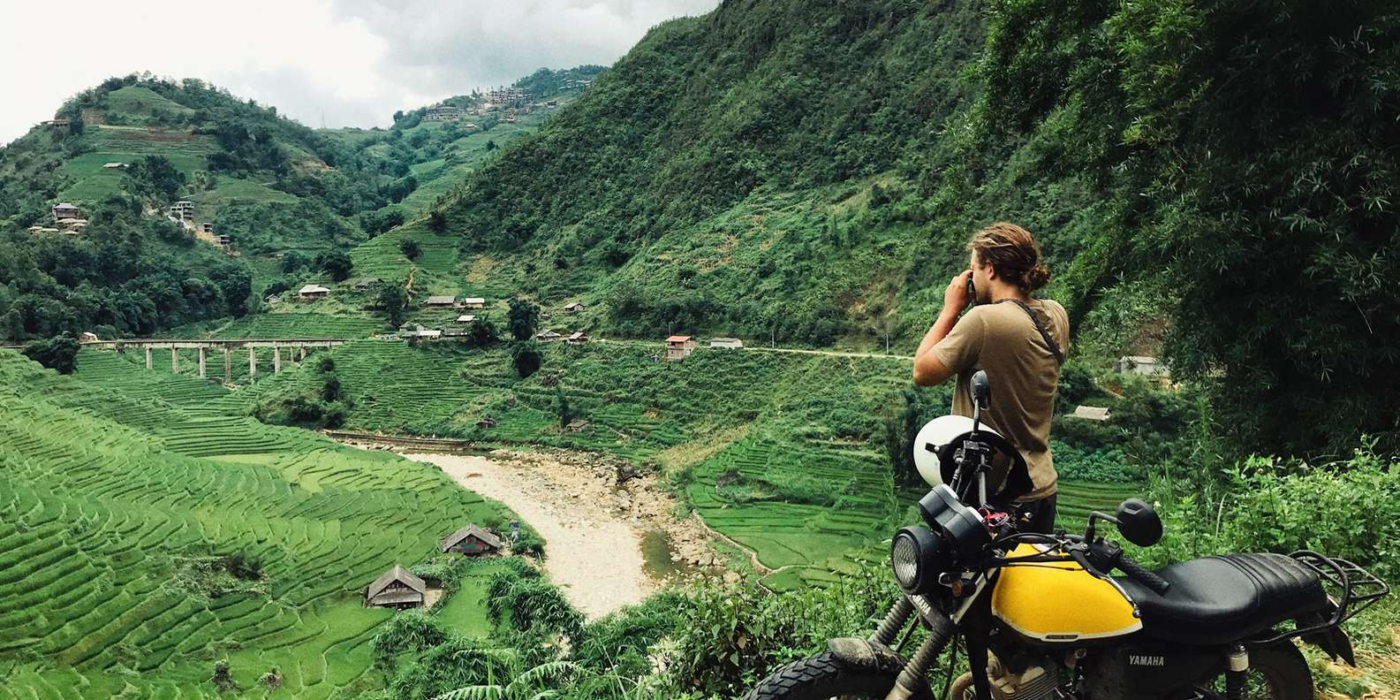
- Ha Giang Loop — Steep drops, post-flood road changes, unpredictable weather. Ride during daylight, check brakes daily, avoid after rain.
- Hai Van Pass — Windy, narrow — stay in your lane, watch for oncoming trucks.
- Ho Chi Minh Road — Remote sections — carry extra fuel, tools, and water.
- Urban riding (Hanoi/HCMC) — Avoid rush hour (7–9 AM, 4:30–6:30 PM); use Grab if unsure.
6. What to Do in Case of Accident or Breakdown
- Stay calm — move to safety if possible.
- Call rental shop (most have 24/7 support) or 114 (police)/115 (ambulance).
- Document everything (photos, witnesses).
- Never leave the scene — police involvement required for insurance claims.
- Medical help — Major cities have international clinics (FV Hospital in HCMC, Family Medical in Hanoi).
7. Final Checklist Before You Ride
- Valid 1968 IDP + home license
- Helmet (properly fastened)
- No alcohol
- Full fuel check
- Test brakes, lights, horn
- Carry emergency contacts & cash
- Ride defensively — assume others won’t see you
Riding a motorbike in Vietnam is one of the most exhilarating ways to experience the country — the freedom, the wind, the connection to the road and people. But freedom comes with responsibility. Follow these motorbike safety tips, respect the laws and locals, and you’ll create memories instead of regrets.
Have you ridden in Vietnam? What’s your top safety tip? Share in the comments — safe travels and happy riding! 🏍️
