
Vietnam is a food lover’s paradise, renowned for its fresh herbs, bold flavors, and dishes like phở, bánh mì, and fresh spring rolls that have captivated the world. With preparation and awareness, food allergy travel tips make navigating Vietnamese cuisine safely not only possible but enjoyable. This guide helps you eat confidently while discovering Vietnam’s incredible flavors. 🍜🥜🚫
Common Allergens in Vietnamese Food
Vietnamese cuisine relies on fresh ingredients, but hidden risks exist:
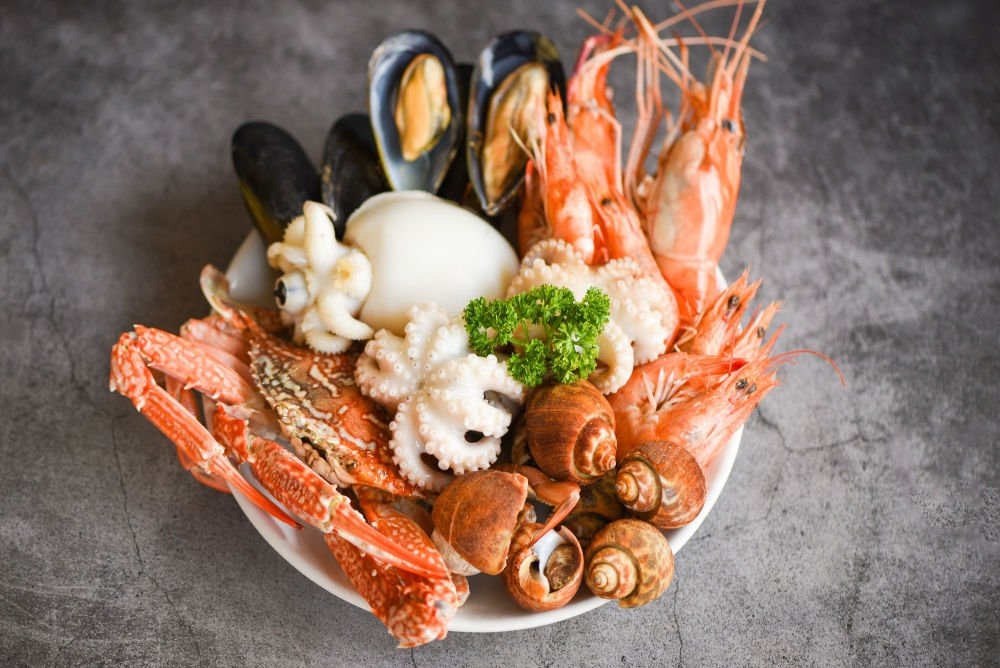
- Seafood → Ubiquitous (fish sauce/nước mắm in nearly everything, shrimp paste, fresh shellfish).
- Peanuts & Tree Nuts → Common in peanut dipping sauces for spring rolls, crushed peanuts on salads (gỏi), or satay-style dishes.
- Gluten → Less prevalent (rice-based), but soy sauce, some wrappers, or cross-contamination in fried foods.
- Eggs & Dairy → Rare in traditional dishes, but eggs in bánh xèo pancakes; dairy minimal.
- Soy → In soy sauce and tofu dishes. Cross-contamination is the biggest concern — woks are shared, and sauces often contain fish sauce or peanuts.
Essential Preparation Before Your Trip
- Allergy Translation Cards → Crucial! Get laminated cards stating your allergy in Vietnamese (e.g., “Tôi bị dị ứng nghiêm trọng với đậu phộng” for peanuts). Free downloads from Equal Eats, Allergy Translation, or Select Wisely; or buy durable ones on Etsy/Amazon.
- Apps & Tools → Google Translate (offline Vietnamese pack), or allergy-specific apps like Spokin or AllergyEats.
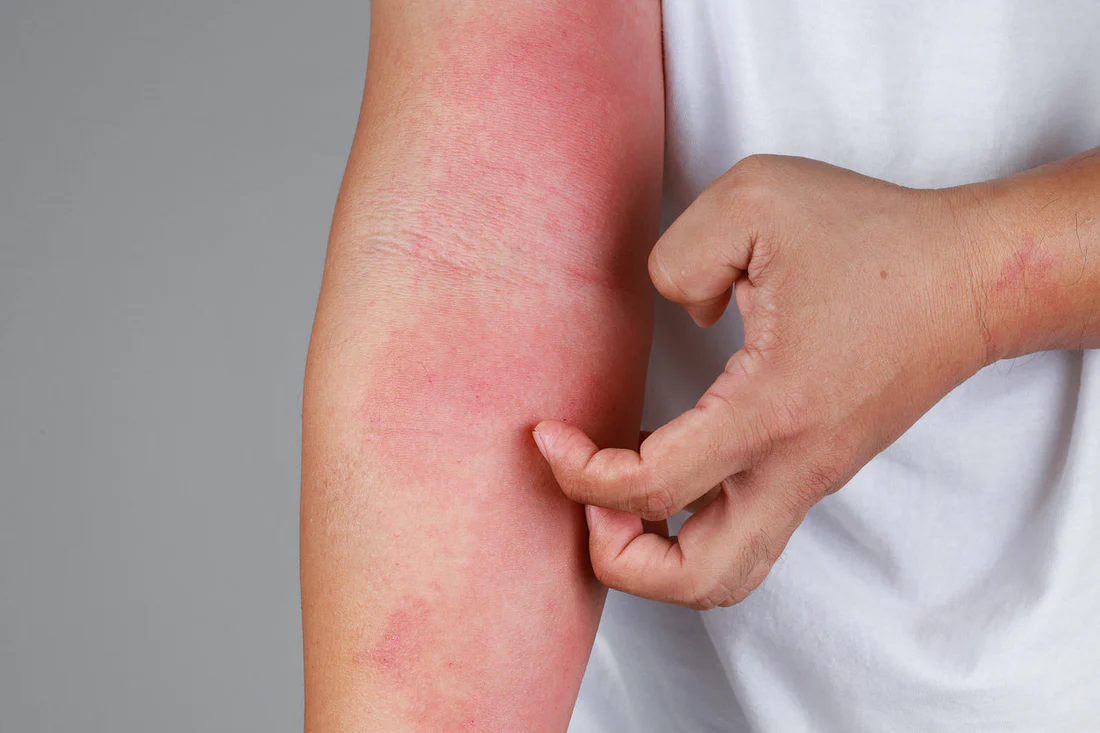
- Medical Prep → Carry multiple EpiPens, antihistamines, and a doctor’s note. Travel insurance covering anaphylaxis is vital. Inform your airline for safe meals.
- Research → Read blogs like Legal Nomads (celiac expert) or join Facebook groups like “Vietnam Travel with Food Allergies.”
Safe Dishes and Modifications
Many iconic foods are naturally safe or easily adapted:
- Phở → Rice noodle soup — request no fish sauce additives; plain beef/chicken broth is often safe (gluten-free by nature).
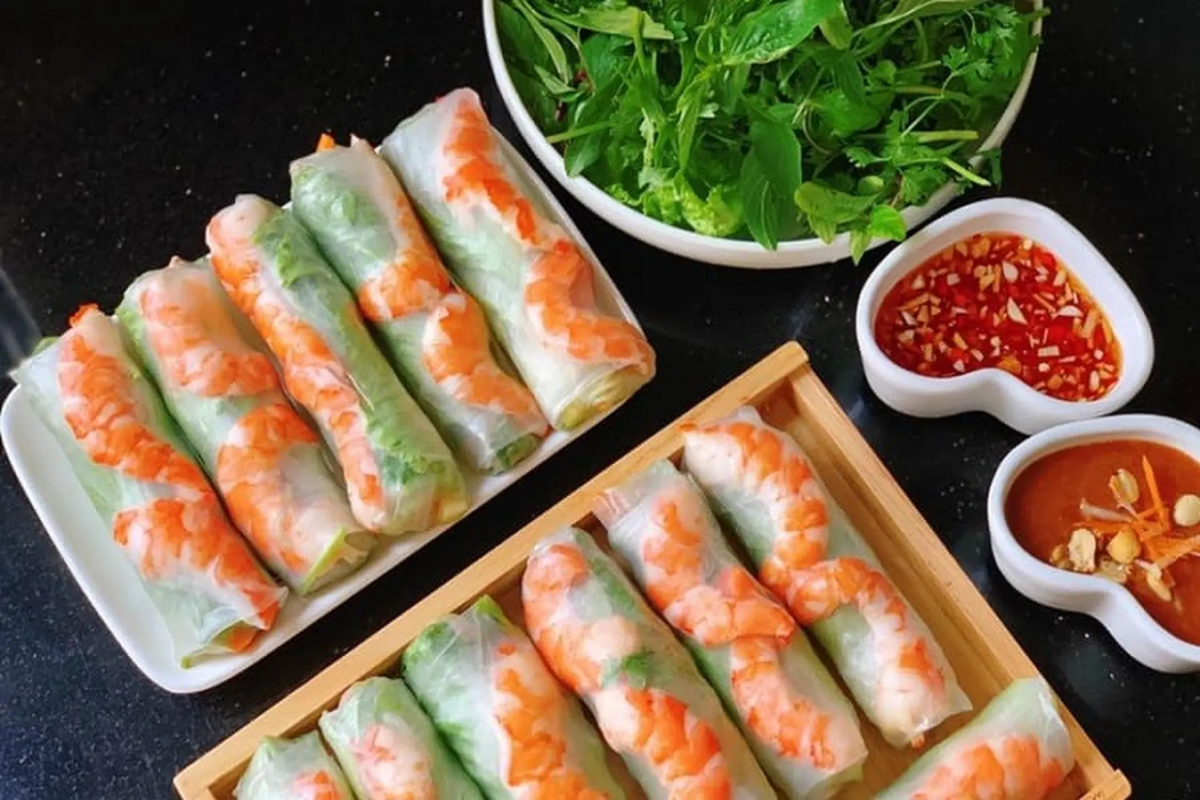
- Gỏi Cuốn (Fresh Spring Rolls) → Rice paper wraps with herbs, pork/shrimp, vermicelli — ask for no peanut sauce.
- Bún Chả or Bún Thịt Nướng → Grilled pork with rice vermicelli and herbs — safe without peanut toppings.
- Cơm Tấm → Broken rice with grilled meats — nut-free and customizable.
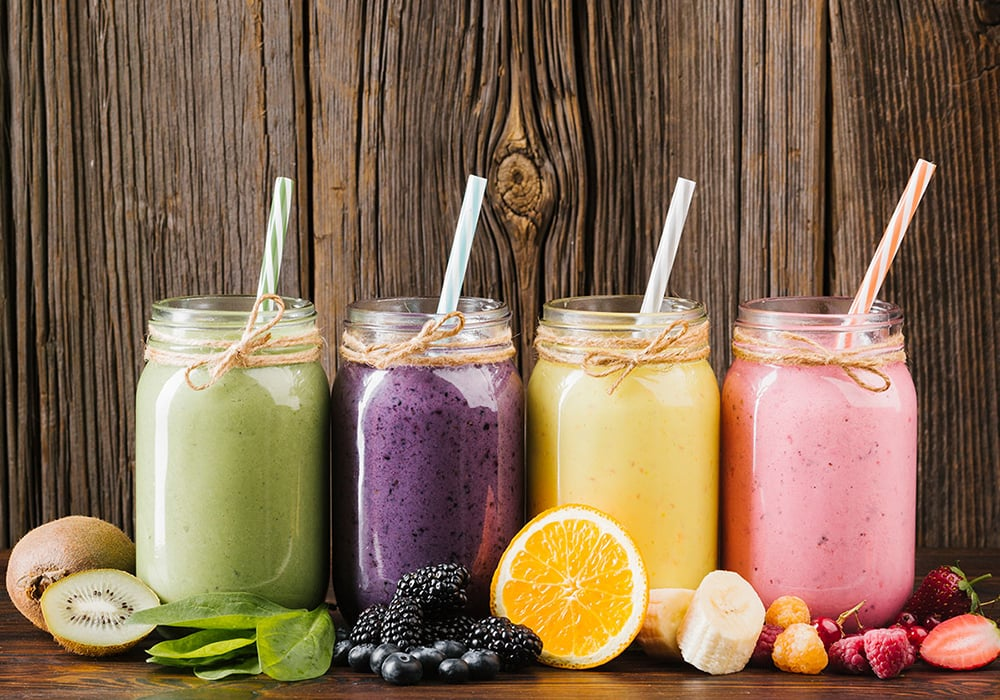
- Fruits & Smoothies → Tropical mango, dragon fruit, avocado — pure bliss.
Communicating Your Allergies Effectively
- Key Phrases: “Tôi dị ứng với [allergen]” (I’m allergic to…), “Không [allergen] được không?” (No [allergen], please?). Show your card and point.
- Street Food Strategy: Choose busy stalls (fresh ingredients), watch preparation, and say “không nước mắm” (no fish sauce) or “không đậu phộng” (no peanuts).
- Restaurants: Bigger cities (Hanoi, HCMC, Da Nang) have English menus and allergy-aware spots; apps like GrabFood allow notes.
City-Specific Tips
- Hanoi → Old Quarter stalls are accommodating; try phở at reputable chains like Phở Thìn.
- Hoi An → Cooking classes often adapt for allergies — great for learning safe recipes.
- Ho Chi Minh City → International options abound; vegan/gluten-free cafes in District 1.
- Beach Areas (Da Nang/Phu Quoc) → Resorts have English-speaking staff and customizable menus.
Extra Precautions and Peace of Mind
- Eat early when stalls open (fresher, less cross-contamination).
- Carry safe snacks (nuts-free bars, rice crackers).
- Join guided food tours specializing in allergies (e.g., via Intrepid or local operators).
- For severe allergies, consider private cooks or homestays where you control ingredients.
With these food allergy travel tips, Vietnam’s cuisine becomes accessible rather than off-limits. Locals are kind and eager to help — a smile and your translation card go far. You’ll savor authentic flavors safely, from steaming phở bowls to fresh herb plates, turning potential worry into pure delight.
What’s your main food allergy concern for Vietnam? Share in the comments — safe and delicious travels await! 🍜🥜🚫
