
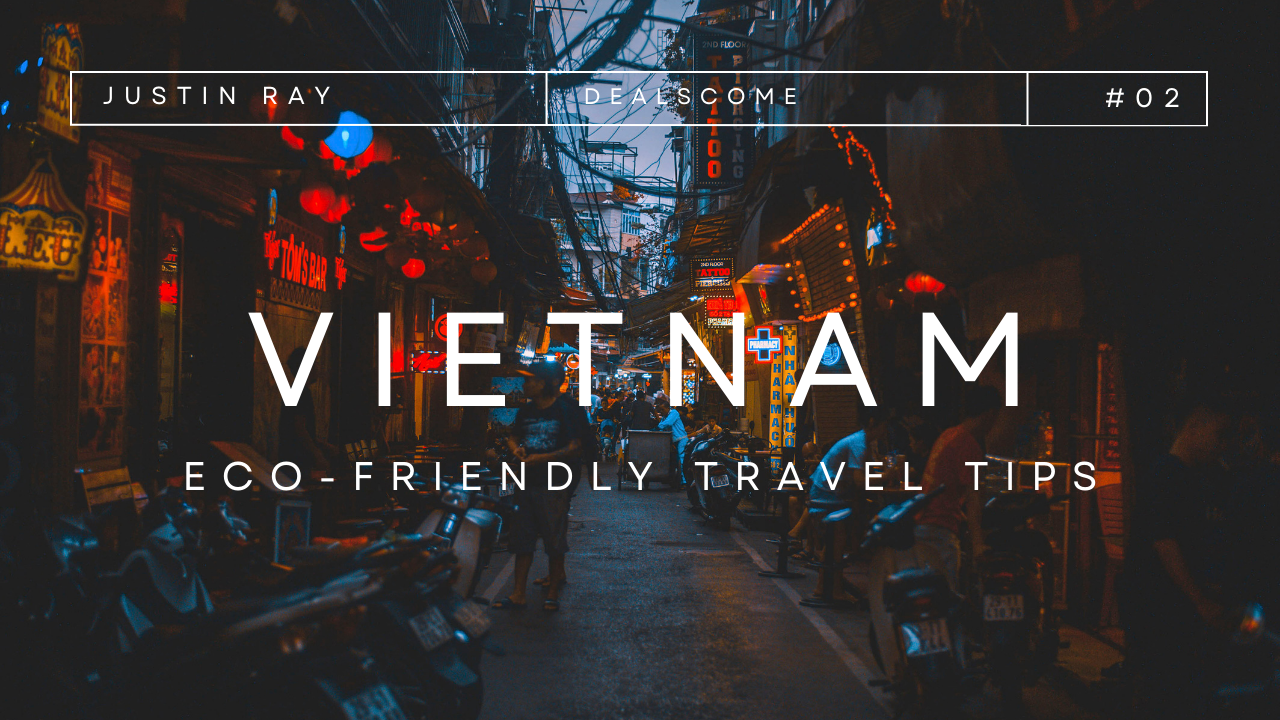
Vietnam boasts some of the planet’s most biodiverse and breathtaking natural wonders — from UNESCO-listed karst seascapes and ancient jungles to pristine islands and terraced highlands. This guide shares low-carbon ways to explore off-the-beaten-path gems, support local communities, and leave only footprints.
General Eco-Friendly Travel Principles for Vietnam
- Choose low-impact transport → Opt for trains (Reunification Express) or buses over domestic flights; rent e-bikes or cycle in cities.
- Pack sustainably → Bring a reusable water bottle (refill stations common), cloth bag, reef-safe sunscreen, and bamboo straw. Avoid single-use plastics.
- Support ethical operators → Book with certified eco-tours (e.g., GSTC or Responsible Travel members).
- Respect wildlife & communities → Keep distance from animals, buy local handicrafts directly, and learn basic Vietnamese phrases.
1. Ha Long & Lan Ha Bay – Ethical Karst Cruising
Swap crowded Ha Long day trips for quieter Lan Ha Bay or Bai Tu Long. Choose small-group electric or low-emission boats to reduce water pollution.
Sustainable tips: Kayak or bamboo boat to explore caves; stay on eco-cruises like Indochina Sails (waste recycling, local sourcing). Avoid touching coral while snorkeling.

2. Sapa & Pu Luong – Community-Based Highland Treks
Skip mass-tourism Sapa trails for serene Pu Luong Nature Reserve — emerald rice terraces, bamboo wheels, and fewer visitors. Eco highlights: Stay in Thai or H’mong homestays (income directly to families), trek with local guides from Ethos or community cooperatives. Cycle quiet paths to minimize erosion.
Best retreats: Pu Luong Retreat or homestays via FairTrek.

3. Phong Nha-Ke Bang – Responsible Cave Exploration
This UNESCO park hides the world’s largest caves in pristine jungle. Join Oxalis Adventure — the only operator for Son Doong and most eco-tours (strict no-trace policy, limited groups).
Sustainable tips: Opt for Tu Lan or Hang En multi-day treks with camping; all waste is carried out, guides are trained in conservation.
4. Mekong Delta – Low-Impact River Life
Explore hidden canals by silent electric boats or bicycle instead of noisy motors. Visit lesser-known Tra Su Cajuput Forest or Gao Giong bird sanctuary.
Eco tips: Homestays in Cai Be or Ben Tre (organic farms, cycling tours); support coconut or bee-keeping cooperatives.

5. Con Dao Islands – Marine Conservation Paradise
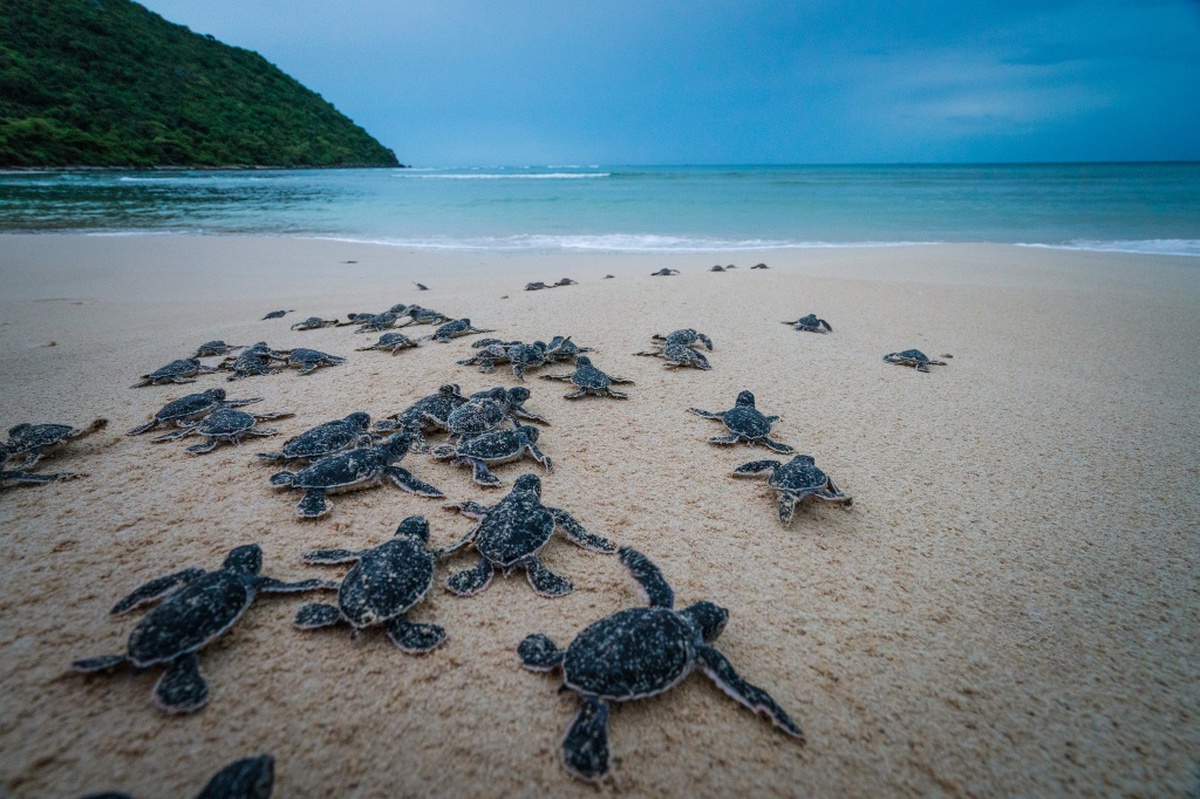
Remote Con Dao offers untouched beaches and turtle nesting sites — far quieter than Phu Quoc.
Sustainable highlights: Stay at Six Senses Con Dao (carbon-neutral, turtle hatchery sponsor); join night patrols with park rangers to witness sea turtles (May–October).
6. Cat Tien National Park – Jungle Wildlife Without Crowds
This southern biosphere reserve protects bears, gibbons, and crocodiles.
Eco tips: Guided night walks or canoe safaris; stay in park bungalows or Green Hope Lodge (solar-powered).

More Sustainable Practices on Your Trip
- Accommodation — Choose Green Key or Travelife-certified hotels; eco-lodges like Topas Ecolodge (Sapa) or Mango Bay (Phu Quoc).
- Food — Eat plant-based or local seafood; visit organic farms via tours.
- Offset carbon — Use apps like Atmosfair for flights; plant mangroves via community projects.
- Give back — Volunteer briefly (e.g., beach clean-ups) or donate to WWF Vietnam.
By following these eco-friendly travel tips, you’ll uncover Vietnam’s hidden nature — misty highlands, glowing caves, and turquoise seas — while helping preserve them for future generations. Sustainable travel here isn’t sacrifice; it’s deeper immersion in a country that thrives on harmony with nature.
Which hidden eco-spot calls to you — Pu Luong’s quiet terraces or Con Dao’s turtle beaches? Share your green plans in the comments — travel responsibly and explore beautifully! 🌿♻️
