

Vietnam enchants travelers with its stunning diversity — from the emerald waters and limestone peaks of Ha Long Bay to the ancient lantern-lit streets of Hoi An, the lush rice terraces of Sapa, and the pristine beaches of Phu Quoc. This guide to the best time to visit Vietnam breaks down seasonal tips, helping you choose the perfect weather for your dream itinerary. ☀️🌧️
Overall Best Months: March–April & October–November
These shoulder seasons offer the most balanced weather nationwide — mild temperatures (20–30°C), low rainfall, and fewer crowds than peak winter.
Spring (March–April) brings blooming flowers in the north; autumn (October–November) delivers clear skies everywhere.
Avoid July–September for typhoon risks in central/northern areas.
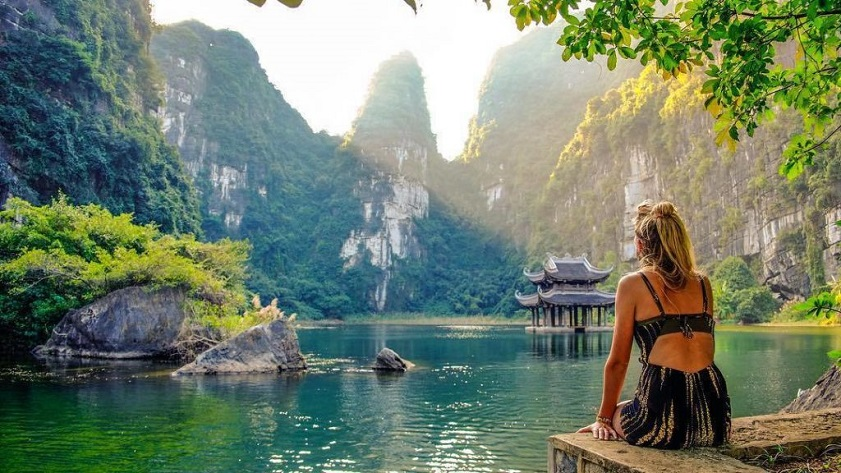
Northern Vietnam (Hanoi, Ha Long Bay, Sapa)
Cool winters and hot, rainy summers define the north.
- Best time: October–November (pleasant 20–25°C, dry for cruises) or March–April (spring warmth, blooming landscapes). September harvest turns Sapa terraces golden.
- Avoid: July–September (heavy rain, possible Halong cruise cancellations); December–February (chilly 10–15°C, foggy bays).
- Highlight: Clear autumn skies for Fansipan cable car views.
Central Vietnam (Hue, Da Nang, Hoi An)
Dry and hot most of the year, but with a late rainy season.
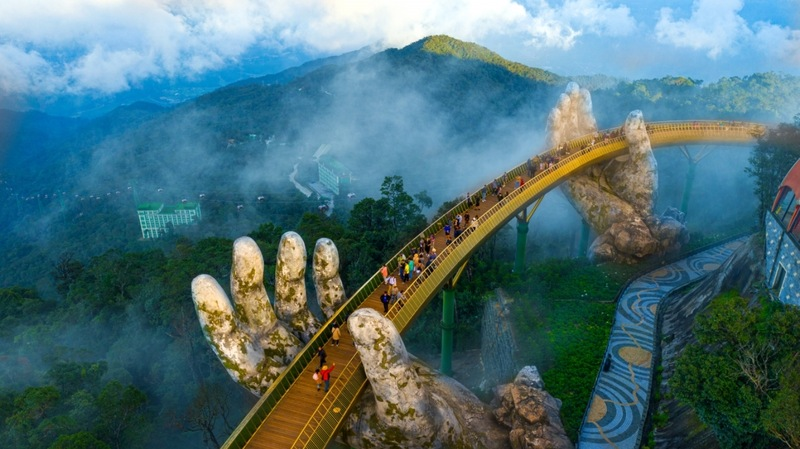
- Best time: February–August (sunny 25–35°C, ideal beaches and ancient town walks). Full moon lantern festivals in Hoi An shine brightest under clear skies.
- Avoid: September–December (typhoons, flooding in Hoi An/Hue).
- Highlight: Da Nang International Fireworks Festival (likely June–July) with perfect dry weather.
Southern Vietnam (Ho Chi Minh City, Mekong Delta, Phu Quoc)
Hot year-round with distinct dry/wet seasons.
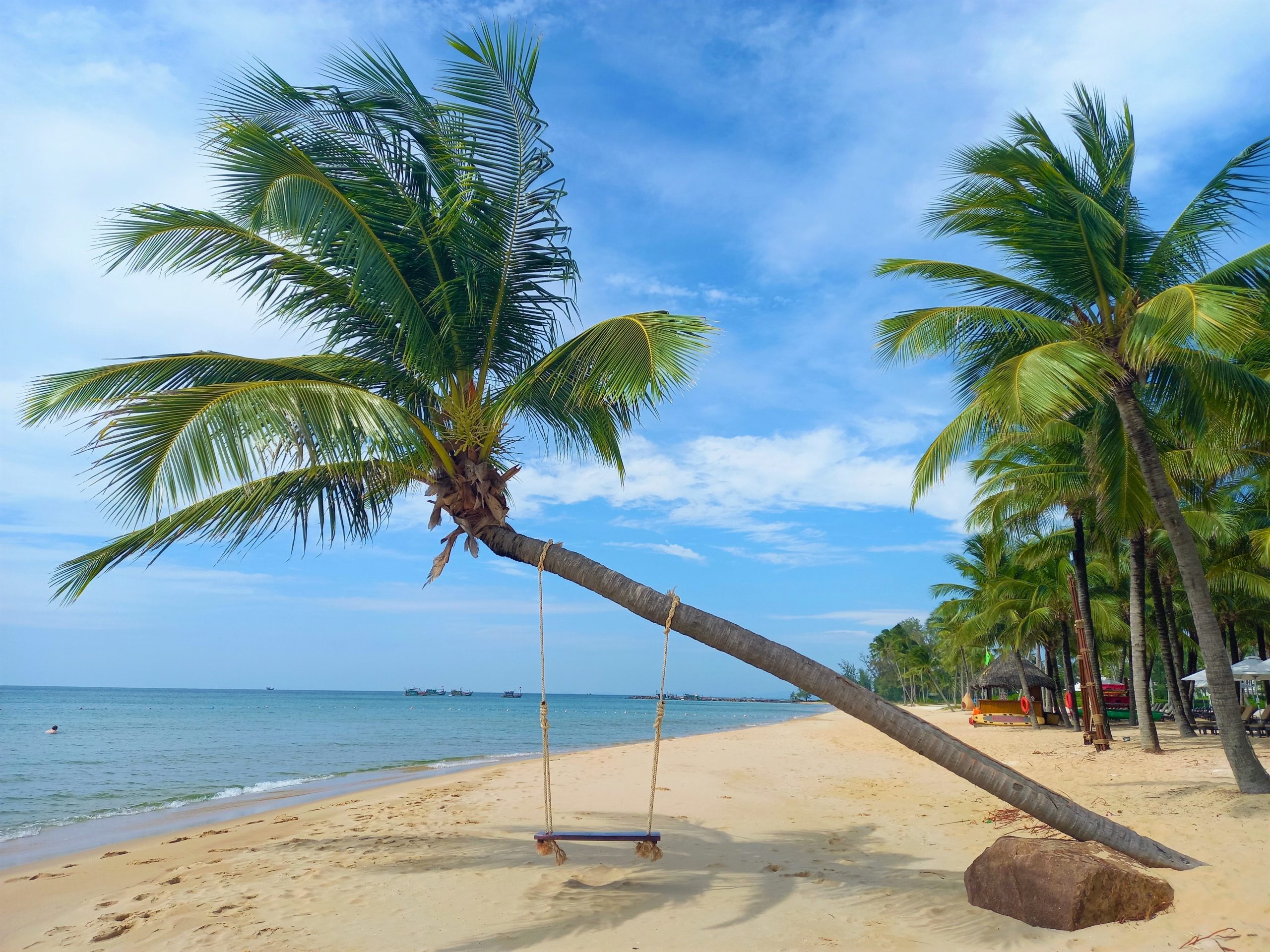
- Best time: November–April (dry, 25–32°C, sunny beaches on Phu Quoc).
- Avoid: May–October (afternoon showers, high humidity).
- Highlight: Dry season for calm seas and island hopping.
Rainy Season Tips (May–October Nationwide)
Monsoons bring lush greenery and fewer tourists — but prepare for downpours.
Pack quick-dry clothes, ponchos, and indoor alternatives (museums, cooking classes). South showers are short; central/north can flood. Benefits: Lower prices, vibrant green landscapes.
Key Festivals & Events
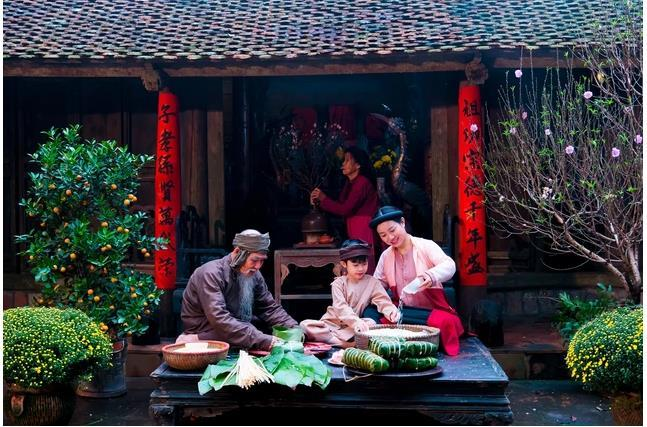
- Tet (Lunar New Year): February 17–22 — vibrant but crowded; many closures.
- Hung Kings Festival: April — temple ceremonies.
- Hue Festival: Likely mid-April — cultural performances.
- Mid-Autumn Festival: September 25 — lanterns and mooncakes. Time visits around these for cultural immersion.
Practical Tips for
- Book early for peak months (flights/hotels surge).
- Use domestic flights to hop regions quickly.
- Check forecasts — La Niña may bring cooler northern winters.
- Pack layers: Light clothes + jacket for north/evenings.
The best time to visit Vietnam depends on your priorities — dry beaches in the south (winter), clear bays in the north (autumn), or cultural festivals year-round. With smart planning for your trips, you’ll enjoy perfect weather and unforgettable moments.
Which region calls to you most — misty north or sunny south? Share below — happy planning! ☀️🌧️
