
Why Choose Astrotourism in Vietnam?
Vietnam may be famous for its beaches, rice terraces, and vibrant cities, but its remote regions boast remarkably low light pollution. Unlike many urban areas in Southeast Asia, places far from major cities allow the naked eye to see thousands of stars, including the Milky Way core on clear nights. Astrotourism here combines adventure—think hiking, camping, or island hopping—with the wonder of the cosmos. Plus, as light pollution increases globally, Vietnam’s preserved natural areas offer a rare chance to reconnect with the universe.
Vietnam’s latitude (between 8° and 23° N) lets you spot both northern constellations like Orion and southern ones like the Southern Cross. Pair that with minimal artificial light in rural spots, and you have ideal stargazing conditions.
Best Places for Stargazing in Vietnam’s Dark Skies
Here are some of the top destinations for astrotourism adventures in Vietnam:
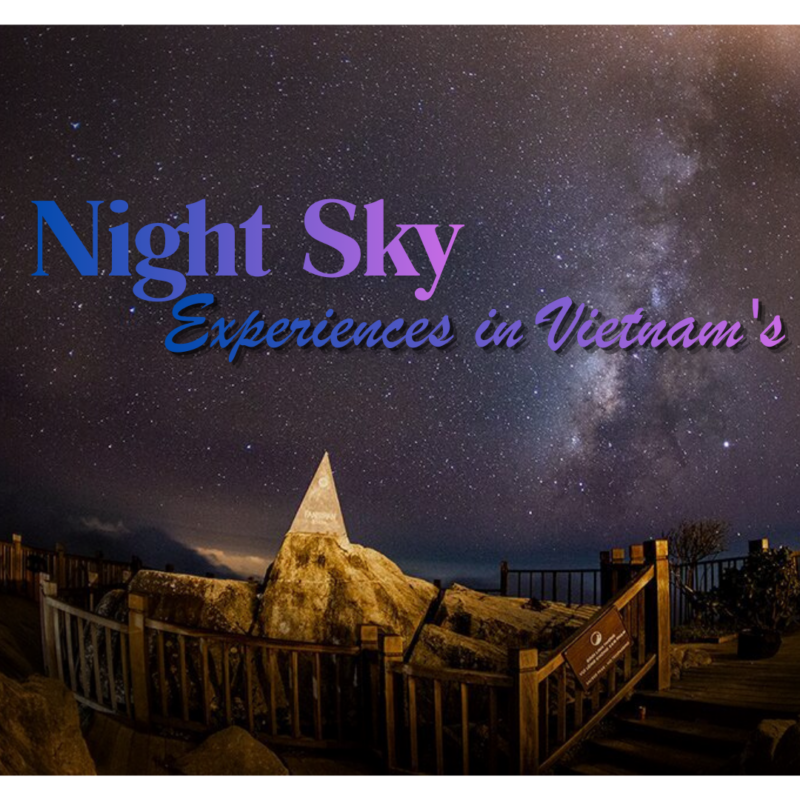
- Fansipan Peak, Sapa (Northern Vietnam) As Vietnam’s highest mountain (3,143 meters), Fansipan offers panoramic, light-pollution-free views. Hike or take the cable car up, then stay overnight at remote spots for jaw-dropping night sky displays. The surrounding mountains in the Sapa region provide excellent dark skies away from town lights.
(Imagine a stunning view of the Milky Way arching over misty peaks—perfect for astrophotography!)
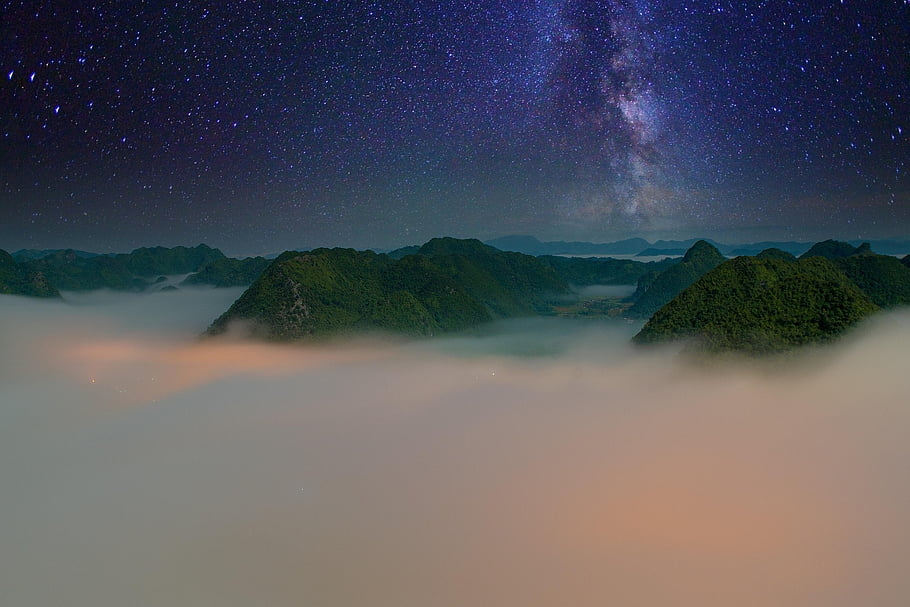
- Ha Giang Province This rugged northern region features dramatic karst mountains and high passes with exceptionally dark skies. Remote villages and minimal infrastructure mean you can see the Milky Way clearly. Combine stargazing with epic motorbike loops for an adventurous twist.
- Pu Luong Nature Reserve Known for its lush valleys and rice terraces, Pu Luong transforms into a celestial paradise at night. Stay in eco-lodges or homestays, hike to elevated viewpoints, and enjoy serene stargazing sessions under unpolluted skies.
- Cuc Phuong National Park Vietnam’s oldest national park offers dense forests and remote trails ideal for night sky viewing. Low light pollution and diverse wildlife make it a magical spot for immersive astrotourism.
- Con Dao Islands (Southern Vietnam) These protected islands feature pristine beaches and minimal development, resulting in outstanding dark skies. On moonless nights, stars reflect off the sea—perfect for relaxed beach stargazing.
(Visualize a tranquil beach with the Milky Way stretching overhead and gentle waves below.)
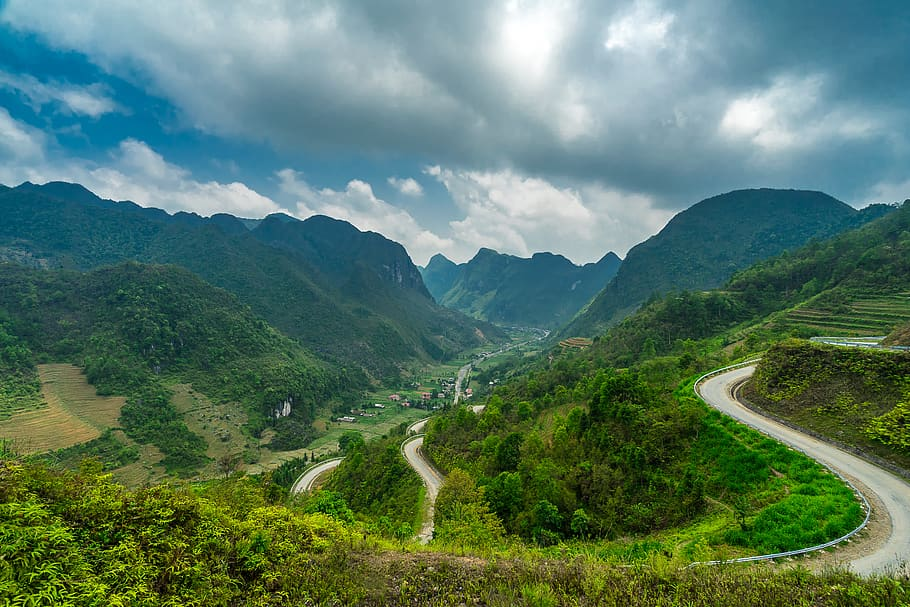
- Da Lat and Central Highlands Elevated plateaus like those around Da Lat and Lak Lake provide cooler temperatures and clearer skies. Remote areas offer great conditions for night sky photography and peaceful observation.
Other notable mentions include Lan Ha Bay (near Halong Bay but calmer and darker), Ba Be National Park, and spots near Hue like Son Tho Lake for serene forest stargazing.
Best Time for Stargazing in Vietnam
Timing is crucial for the best night sky experiences:
- Dry season (November to April) offers clearer skies and lower humidity.
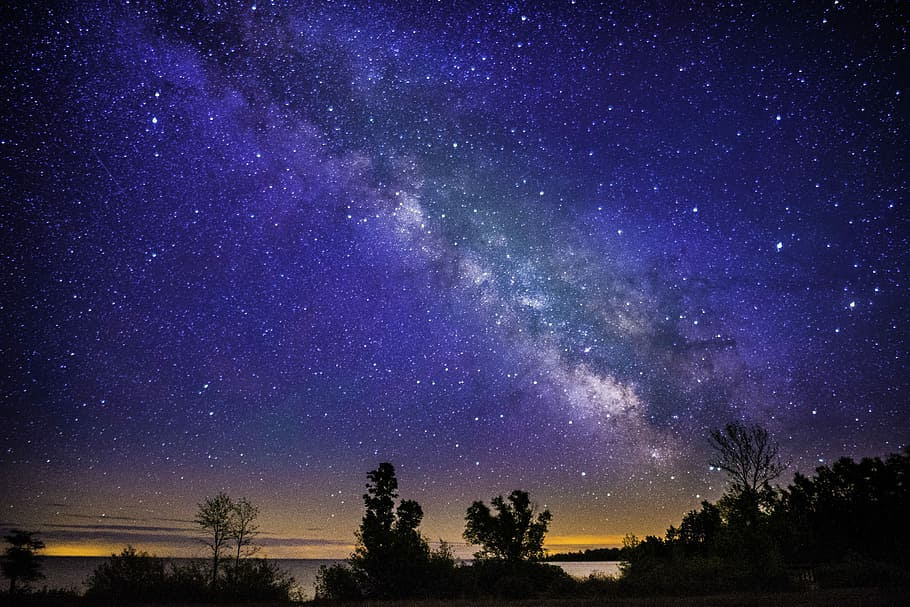
- Aim for new moon phases to avoid moonlight washing out faint stars.
- Avoid full moons and rainy seasons (May-October in many areas), which bring clouds and haze.
- In 2026, check lunar calendars for optimal dark nights—early dry season months often deliver the clearest views.
Tips for an Unforgettable Astrotourism Adventure
To maximize your stargazing experience in Vietnam:
- Use apps like Stellarium or SkyView to identify constellations and planets.
- Bring binoculars or a telescope for deeper views.
- Pack warm layers (especially in northern mountains), a red flashlight (to preserve night vision), and a tripod for astrophotography.
- Respect nature: Follow “leave no trace” principles and support eco-friendly tours.
- Join guided tours in places like Sapa or national parks for expert insights.
- Plan around weather—clear nights make all the difference!
Final Thoughts: Discover Vietnam’s Hidden Night Skies
Astrotourism adventures in Vietnam’s dark skies offer a unique blend of adventure, tranquility, and cosmic wonder. Whether you’re hiking to Fansipan Peak, camping in Ha Giang, or relaxing on Con Dao beaches, these experiences create lasting memories under a blanket of stars.
Ready to plan your trip? Start by choosing a remote destination, timing it with a new moon, and preparing for an awe-inspiring night under Vietnam’s stunning night sky. The universe awaits—pack your sense of wonder and go chase the stars!
