
Understanding Vietnam’s Currency
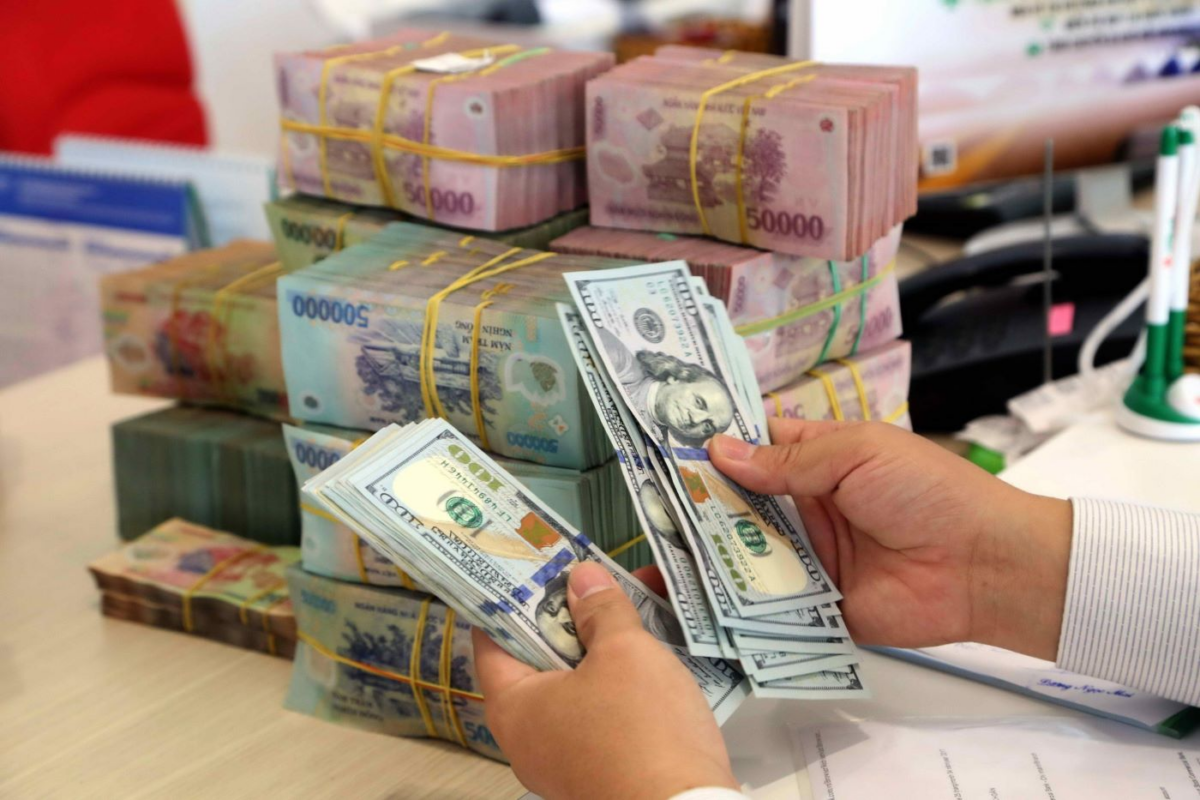
Vietnam’s official currency is the Vietnamese Dong (VND). It is a high-denomination currency, meaning prices are often listed in thousands or hundreds of thousands.
Common banknotes include:
- 10,000 VND
- 20,000 VND
- 50,000 VND
- 100,000 VND
- 200,000 VND
- 500,000 VND
Coins are no longer in circulation, and foreign currencies are not commonly accepted outside hotels and major tourist businesses.
Travel tip: Always carry small denominations for taxis, cafés, markets, and street food vendors.
Currency Exchange in Vietnam: Best Options
Exchanging Money at Banks
Banks are the safest and most reliable place to exchange foreign currency in Vietnam. Major banks such as Vietcombank, BIDV, Techcombank, and ACB offer transparent exchange rates and official receipts.
Pros:
- Secure and regulated
- Fair exchange rates
- No risk of counterfeit bills
Cons:
- Limited opening hours
- Slightly slower service
Airport Exchange Counters
International airports in Hanoi and Ho Chi Minh City have currency exchange desks that are convenient for first-time arrivals.
Tip: Exchange only a small amount at the airport, as rates are usually less favorable than in the city.
Licensed Gold & Jewelry Shops
In popular tourist areas, licensed gold shops sometimes offer competitive exchange rates. However, this option is best for experienced travelers who know how to identify reputable businesses.
Using ATMs in Vietnam
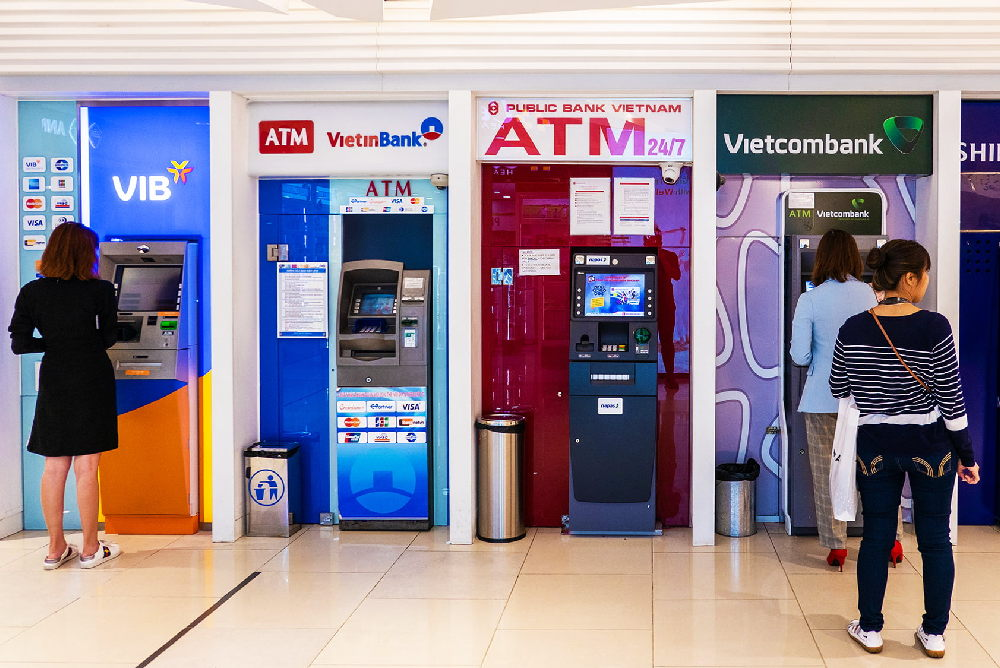
ATMs are widely available in cities, airports, shopping malls, and tourist areas across Vietnam. Most machines accept Visa, Mastercard, Maestro, and Cirrus cards.
ATM Withdrawal Tips
- Typical withdrawal limits range from 2–10 million VND per transaction
- Local ATM fees usually apply
- Your home bank may charge an additional foreign withdrawal fee
- Always choose VND (local currency) when prompted to avoid poor conversion rates
Best practice: Withdraw larger amounts less frequently to reduce transaction fees.
ATMs located inside banks or shopping malls are generally safer and more reliable than street-side machines.
Credit and Debit Card Usage in Vietnam
Where Cards Are Accepted
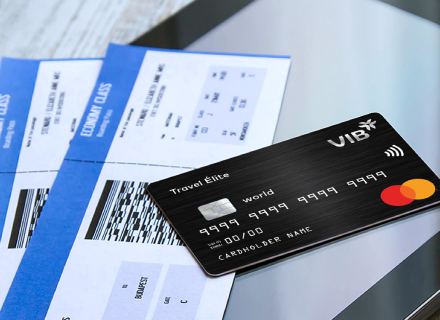
Credit and debit cards are widely accepted at:
- Hotels and resorts
- Upscale restaurants
- Shopping malls
- Tour agencies and airlines
However, cash is still king in:
- Local markets
- Street food stalls
- Small shops
- Taxis and motorbike services
Card Payment Tips
- Visa and Mastercard are the most commonly accepted
- Some merchants add a 2–3% card surcharge
- Inform your bank before traveling to avoid card blocks
- Carry a backup card in case of network issues
Digital Payments and E-Wallets
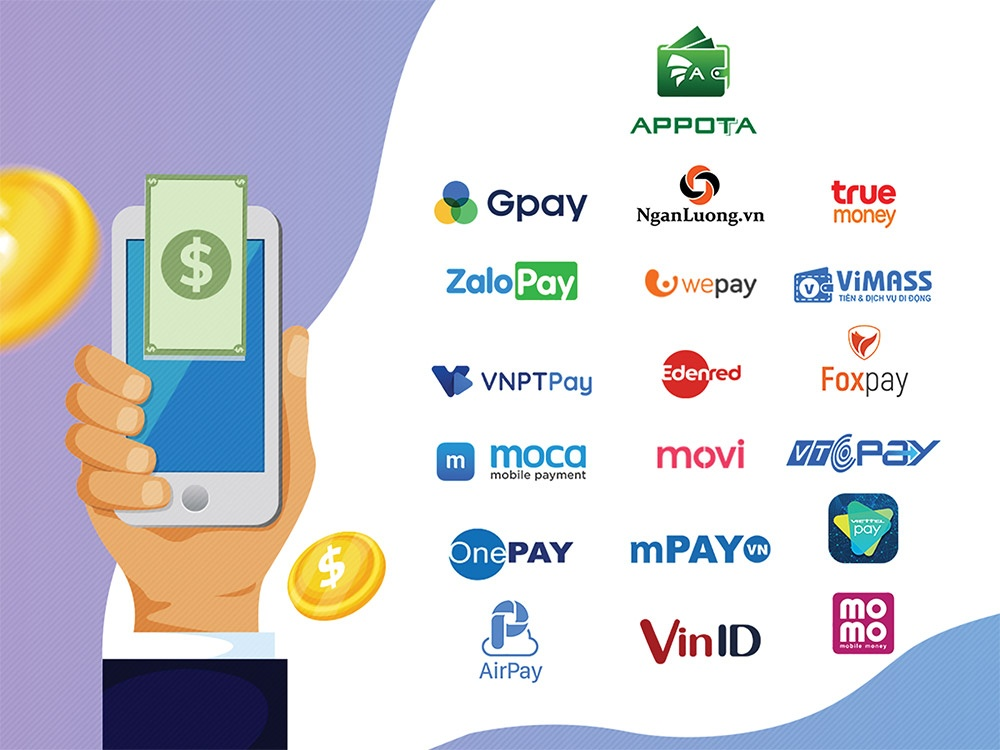
Vietnam is rapidly moving toward a cashless society, especially in major cities.
Popular local e-wallets include:
- MoMo
- ZaloPay
- VNPay
These platforms are widely used by locals but may be difficult for short-term visitors to set up without a Vietnamese bank account. However, international payment methods like Apple Pay and Google Pay are increasingly accepted in hotels, cafés, and modern retail stores.
How Much Cash Should You Carry?
The ideal balance depends on your travel style:
- Budget travelers: Mostly cash for food, transport, and local services
- Mid-range travelers: Mix of cash and cards
- Luxury travelers: Cards for most expenses, cash for tips and small purchases
As a general rule, carry enough cash for daily expenses while keeping larger amounts safely stored in your accommodation.
Safety Tips for Handling Money in Vietnam
- Count your cash before leaving the exchange counter or ATM
- Avoid flashing large sums of money in public
- Use hotel safes for passports and extra cash
- Split cash between wallet and luggage
- Be cautious of pickpocketing in crowded tourist areas
Vietnam is generally safe, but basic precautions go a long way.
