
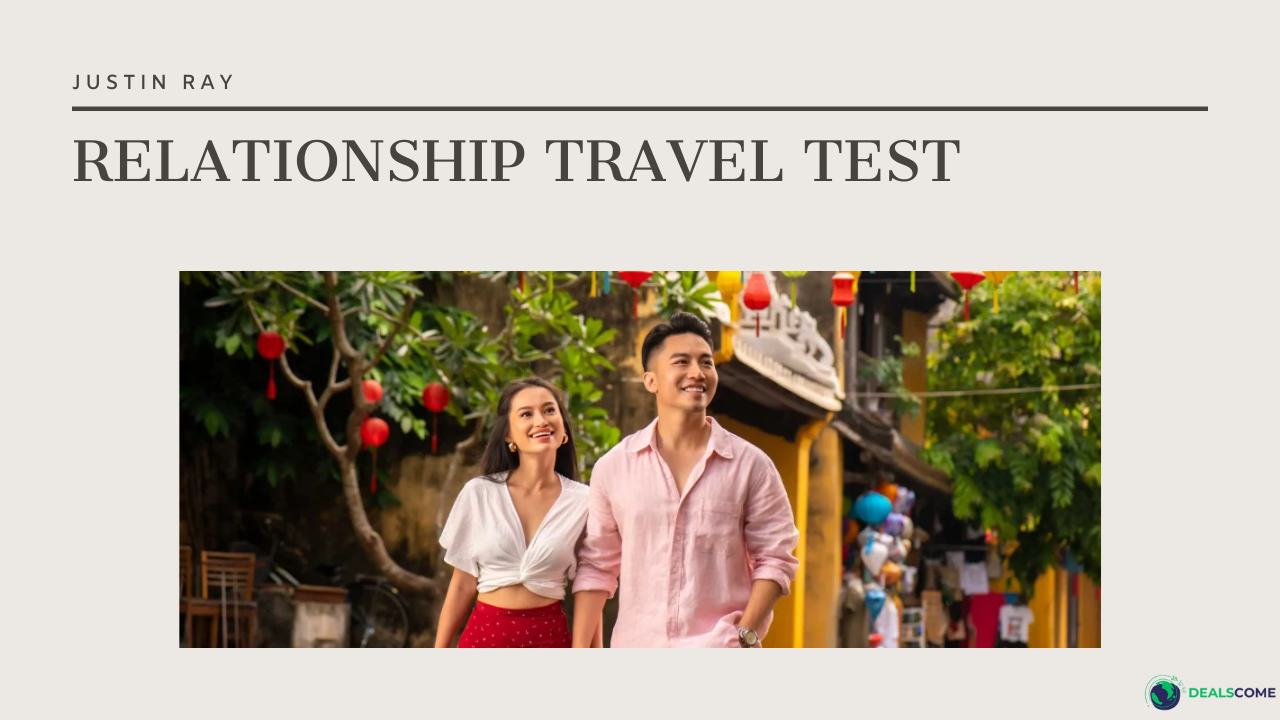
Vietnam has long been a magnet for couples seeking romance — lantern-lit streets in Hoi An, sunrise cruises on Ha Long Bay, candlelit dinners on Phu Quoc beaches. But beyond honeymoon clichés, Vietnam offers one of the world’s most revealing environments for relationship travel tests. In 2026, with improved infrastructure yet still authentic local chaos, Vietnam remains an ideal “compatibility lab” for couples at any stage. 💑🌾
Why Vietnam Is the Ultimate Relationship Travel Test
Travel amplifies everything — patience, communication, decision-making, flexibility, and conflict resolution. Vietnam throws every variable at you in concentrated form:
1. Intense sensory overload in cities
2. Slow, sometimes frustrating rural logistics
3. Constant micro-decisions (street food? Grab or walk? Left or right at the fork?)
4. Physical challenges (heat, stairs, uneven paths)
5. Cultural navigation (haggling, indirect communication, different concepts of time)
Couples who thrive here usually emerge stronger; those who struggle often gain valuable clarity.
1. Hanoi – The Chaos Compatibility Test
Hanoi’s Old Quarter is the perfect first proving ground.
Tests: Can you navigate packed sidewalks without losing each other? Agree on street food without arguing? Handle relentless honking and motorbike swarms?
Classic scenarios: Crossing Hoan Kiem Lake road together (trust exercise), sharing a tiny plastic stool for bia hoi, deciding whether to join Ta Hien Beer Street madness.
Insight: Couples who laugh through the chaos and enjoy the absurdity usually handle bigger life stresses well. Those who get overwhelmed or blame each other may struggle with unpredictability.

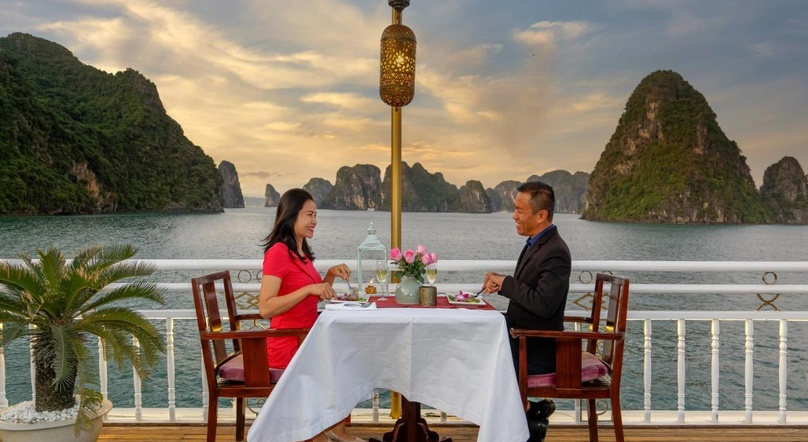
2. Ha Long Bay / Lan Ha Bay – The Pacing & Space Test
A 2–3 day cruise forces proximity in a small cabin or shared boat.
Tests: Can you share limited space comfortably? Compromise on activities (kayaking vs. sunbathing)? Handle seasickness or seasickness together?
Classic scenarios: Choosing between sunrise tai chi or sleeping in, splitting a sunset cocktail, deciding whether to join group dinners.
Insight: Introvert–extrovert mismatches surface quickly. Couples who respect each other’s energy levels and find balance pass with flying colors.
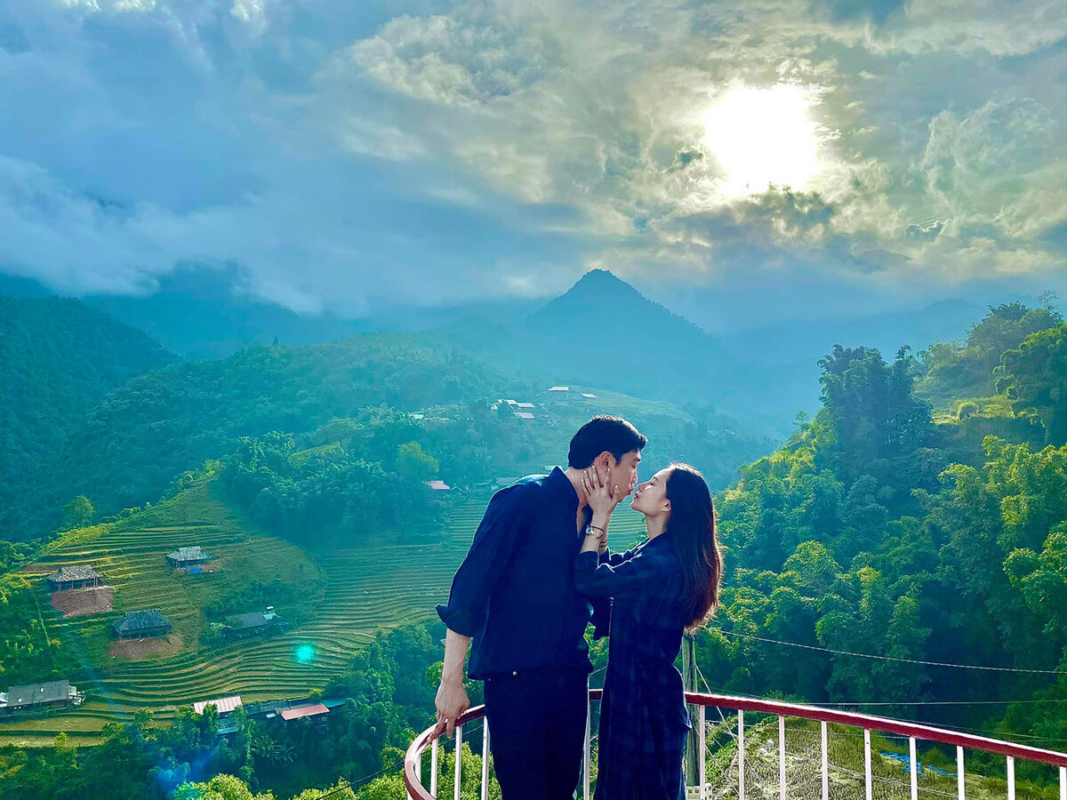
3. Sapa or Pu Luong – The Endurance & Teamwork Test
Multi-day treks through rice terraces and ethnic villages test physical compatibility and mutual support.
Tests: Can you keep similar paces? Encourage each other on steep climbs? Share snacks and water without keeping score?
Classic scenarios: Rainy-day trek solidarity, helping each other over bamboo bridges, negotiating with local guides together.
Insight: Couples who naturally support and celebrate each other’s efforts usually have strong teamwork foundations for life’s bigger challenges.
4. Hoi An & Da Nang – The Decision-Making & Compromise Test
Multiple daily choices — beach or tailoring? Cooking class or cycling? Lantern release or rooftop bar?
Tests: How do you decide when interests diverge? Can you take turns choosing activities? Handle disappointment gracefully?
Classic scenarios: One wants a spa day, the other wants motorbike exploration — who compromises? Splitting the bill fairly after different spending habits emerge.
Insight: Healthy compromise patterns here predict long-term relationship success.

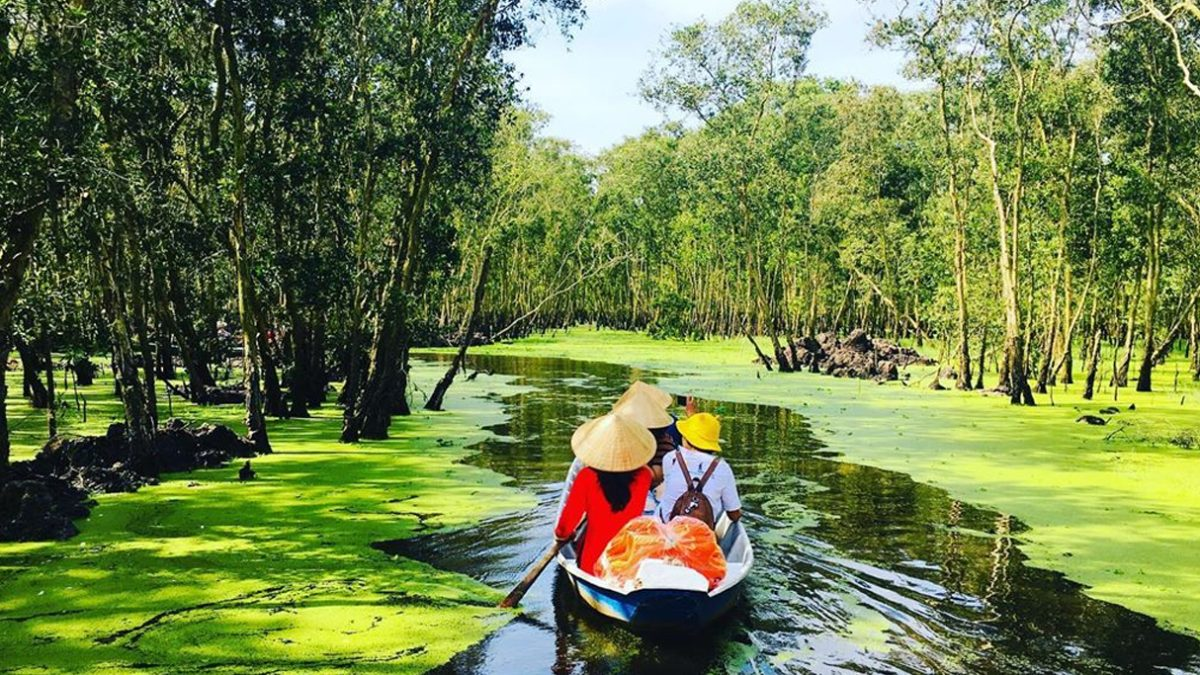
5. Mekong Delta – The Slow-Paced Living Test
The Delta’s gentle boat rides, hammock afternoons, and village homestays test comfort with slowness.
Tests: Can you relax without constant stimulation? Enjoy quiet moments together? Appreciate simple pleasures (fresh fruit, river breeze)?
Classic scenarios: Waiting for slow boat connections, sharing silence on a hammock, learning to appreciate “nothing” time.
Insight: Couples who recharge in calm environments often share compatible energy levels and life rhythms.
Practical Tips for Running Relationship Travel Tests in Vietnam
Start small — Begin with 1–2 days in Hanoi to gauge chaos tolerance before committing to longer remote trips.
Build in buffers — Schedule rest days after intense travel legs.
Talk openly — Debrief each day: “What worked? What stressed us? How can we adjust tomorrow?”
Balance structure & spontaneity — Have a loose plan but leave room for serendipity.
Safety net — Know you can always pivot (shorten treks, upgrade transport, take a rest day).
Celebrate wins — Toast every successful compromise or shared laugh with a sunset beer or coconut.
Vietnam doesn’t just test compatibility — it reveals it. The same traits that help couples navigate Hanoi traffic, Sapa rain, and Mekong slowness often predict how they’ll handle career changes, family planning, or everyday disagreements back home. A successful relationship travel test in Vietnam isn’t about perfection; it’s about growing together through the beautiful, messy, exhilarating reality of travel.
Have you ever taken a compatibility trip? Which Vietnamese destination would you choose to test your relationship — chaotic Hanoi or tranquil Mekong? Share your thoughts in the comments — love and adventure await! 💑🌾
