
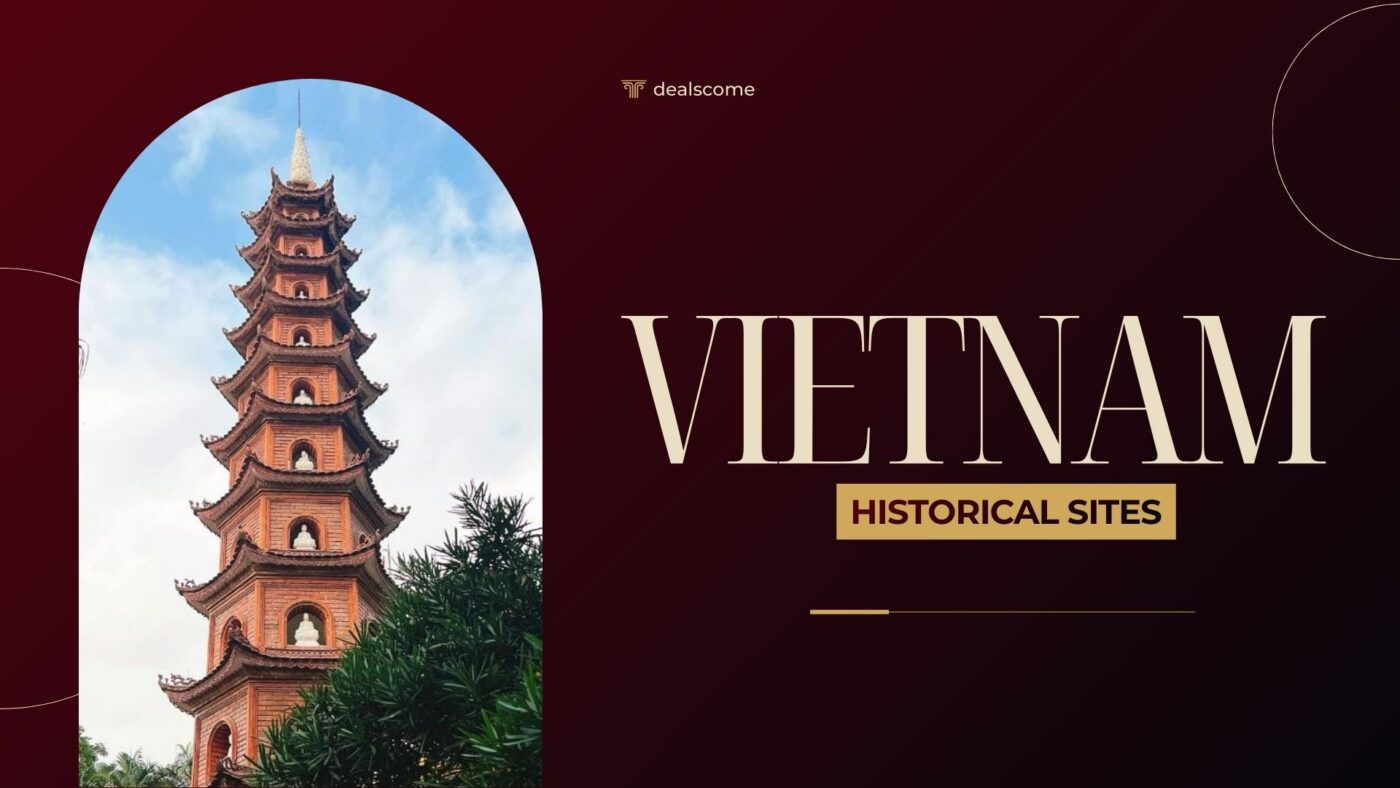
Vietnam is a land where history whispers through every landscape — from the misty mountains of the north to the sun-drenched deltas of the south, layers of ancient civilizations, colonial struggles, and modern conflicts have left indelible marks. This deep dive into historical sites uncovers Vietnam’s quieter corners, where echoes of ancient kingdoms and wartime endurance still resonate. 🏛️
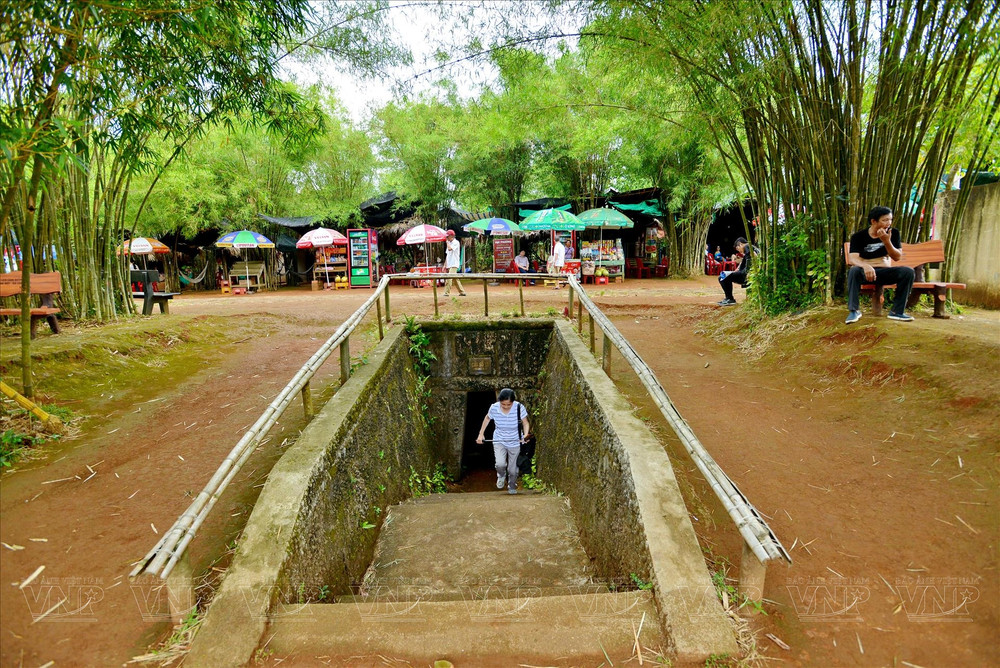
1. Vinh Moc Tunnels – Civilian Survival Underground (Quang Tri Province)
Unlike the more famous Cu Chi Tunnels built for Viet Cong fighters, Vinh Moc was dug by villagers to shelter entire families from relentless American bombing during the Vietnam War. Located near the former Demilitarized Zone (DMZ), this three-level network (up to 30m deep) housed over 300 people for years, complete with living quarters, a hospital, school, and even a maternity room where 17 babies were born underground. The tunnels are larger and airier than Cu Chi, making them more accessible for visitors. Walking through feels intimate and sobering — a testament to civilian resilience amid war. Combine with a DMZ tour for context on the divided era. Best visited early morning to avoid heat.
2. Son La Prison – French Colonial and Revolutionary Legacy (Son La Province)
High in the northwest mountains, Son La Prison (built 1908 by French colonial authorities) held Vietnamese revolutionaries, including many future leaders. Prisoners endured brutal conditions in “tiger cages” and isolation cells. Today, the preserved site includes exhibits on anti-colonial struggles and the prison’s role in shaping Vietnam’s independence movement. The surrounding scenery — rolling hills and ethnic villages — adds peaceful contrast to the grim history. It’s far less visited than Hanoi’s Hoa Lo, offering a quieter, more reflective experience.
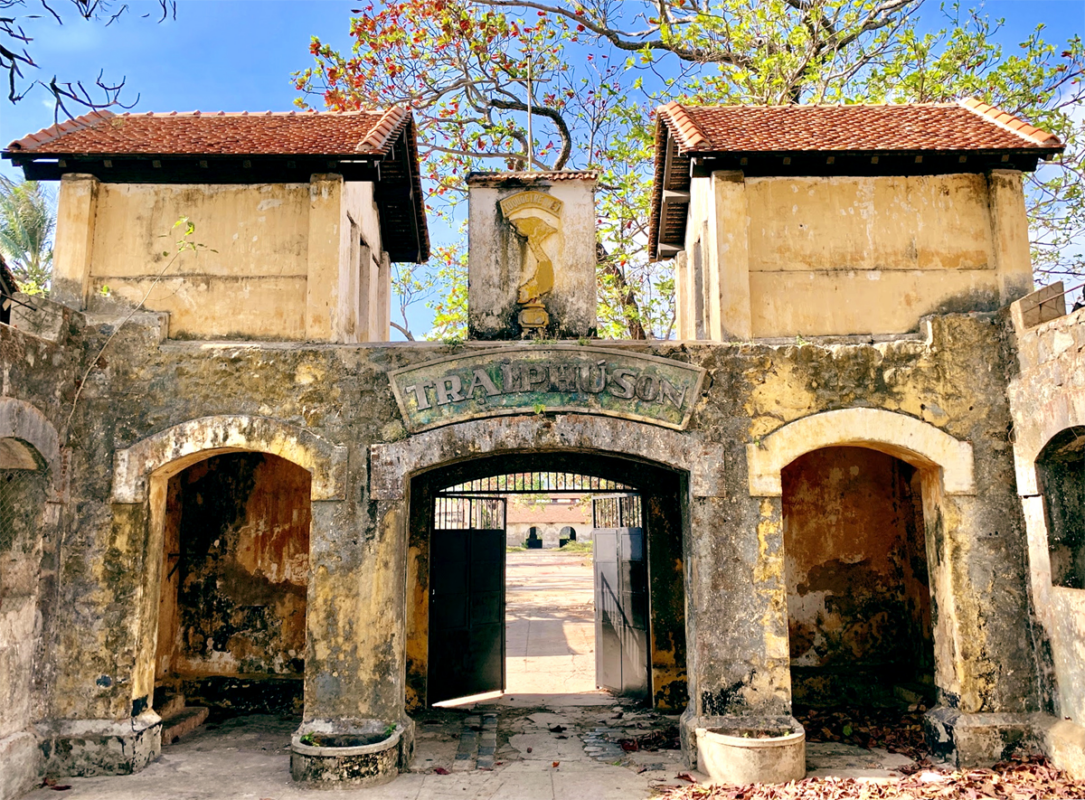
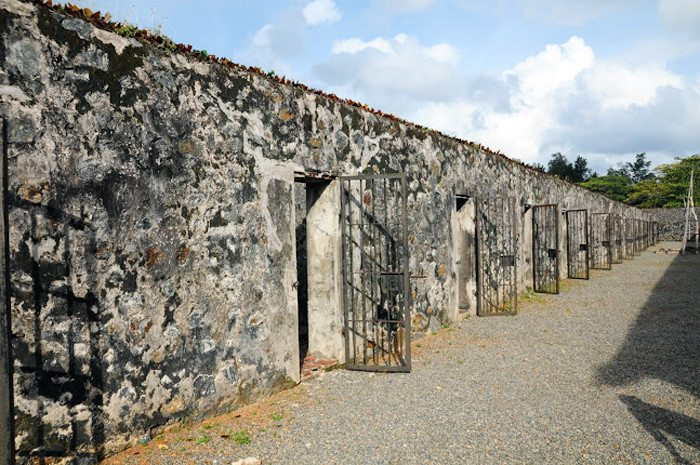
3. Con Dao Prison Complex – “Hell on Earth” Island (Con Dao Islands)
On remote Con Dao Island, this French-built prison (later used by South Vietnam) became notorious for its “tiger cages” and torture of political prisoners. Over 20,000 were held here; many died in horrific conditions. The island’s isolation preserved the site beautifully — walk the cell blocks, see original instruments, and visit graves of revolutionaries. Con Dao’s beaches and turtle conservation add a bittersweet layer: paradise atop pain. It’s one of Vietnam’s most powerful, lesser-known war sites.
4. Hoa Lu Ancient Capital – Vietnam’s First Royal Seat (Ninh Binh Province)
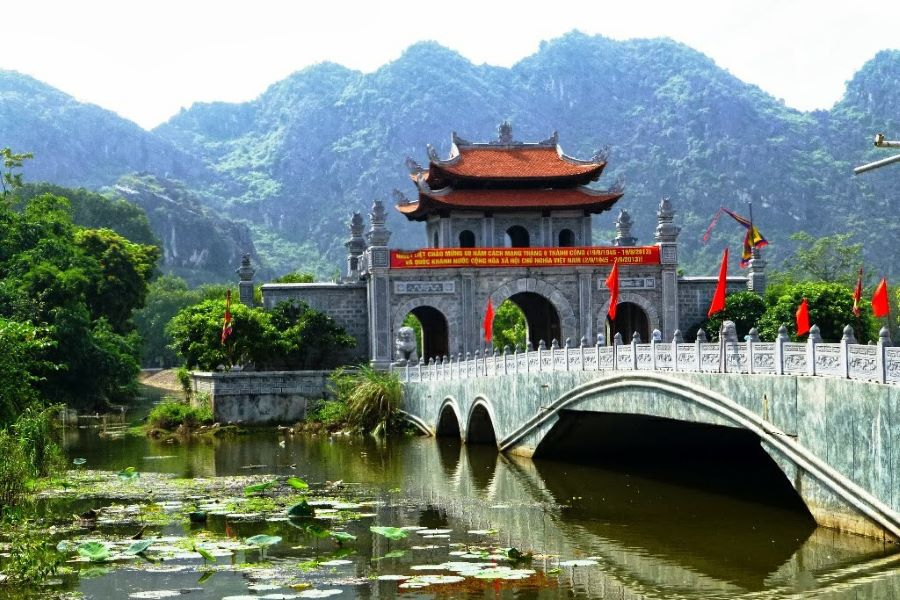
Hidden amid limestone karsts, Hoa Lu was Vietnam’s capital from the 10th–11th centuries under the Dinh and Early Le dynasties. Temples to Kings Dinh Tien Hoang and Le Dai Hanh remain, surrounded by remnants of walls and palaces. Less crowded than later imperial sites like Hue, Hoa Lu feels intimate and mystical. Explore caves used as hideouts and enjoy the dramatic scenery. Pair with a boat trip through Trang An for a full ancient-meets-nature day.
5. Go Thap Archaeological Site – Funan Kingdom Remnants (Mekong Delta)
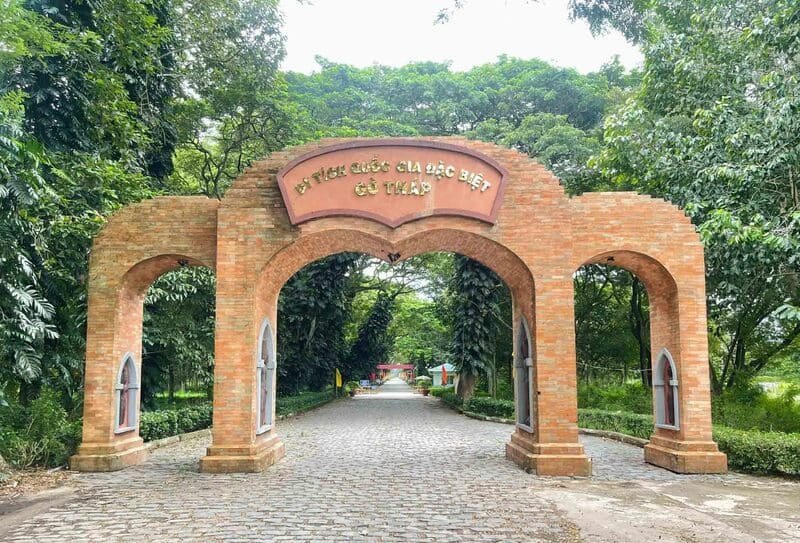
In the Mekong Delta, Go Thap reveals ruins of the ancient Funan Empire (1st–6th centuries), a maritime trading power predating Angkor. Temples, statues, and artifacts show early Hindu-Buddhist influences. This quiet site offers a rare glimpse into pre-Cham, pre-Vietnamese history. Walk among foundations amid rice fields — a peaceful contrast to busier ruins.
6. Po Nagar Cham Towers – Living Heritage (Nha Trang)
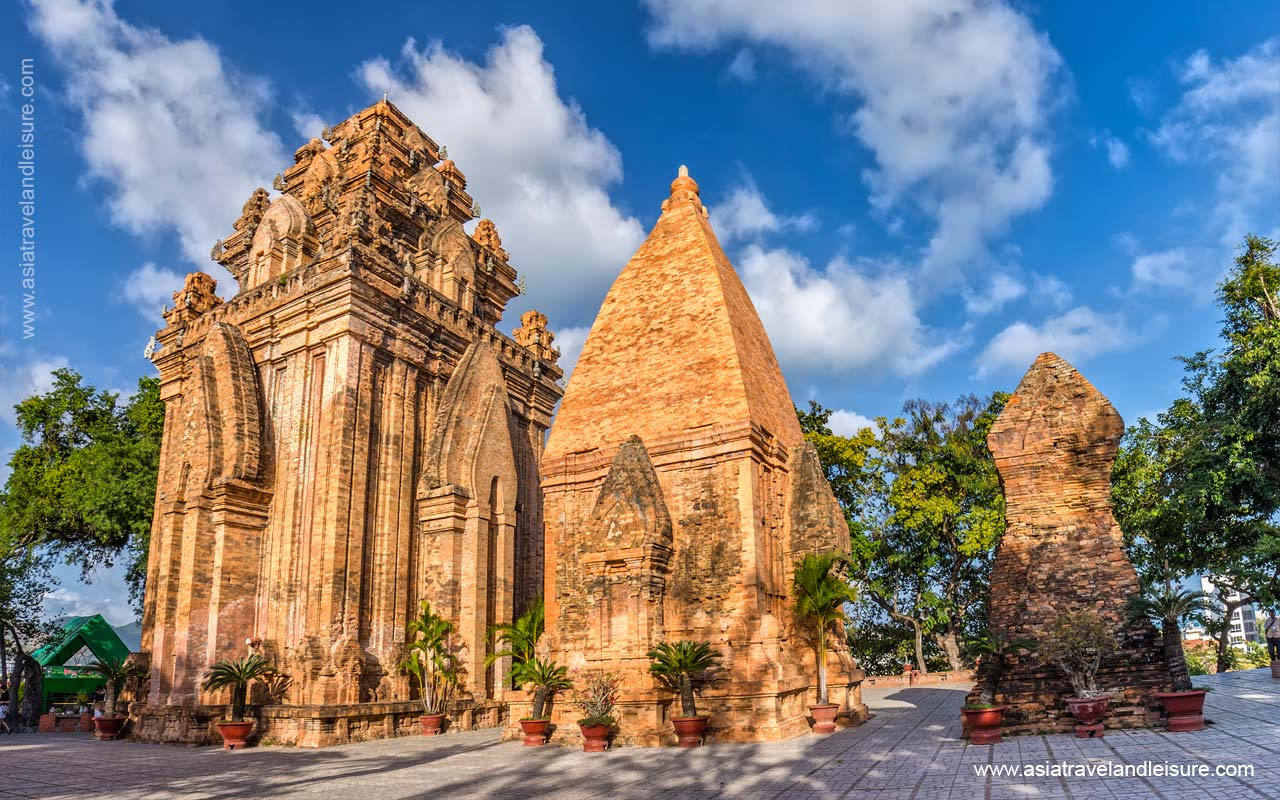
While My Son is famous, Po Nagar’s 7th–12th-century towers are actively used for worship, blending ancient Cham architecture with living culture. The site’s riverside location and intricate carvings make it feel alive.
7. Bang An Tower – Rare Octagonal Design (Quang Nam Province)
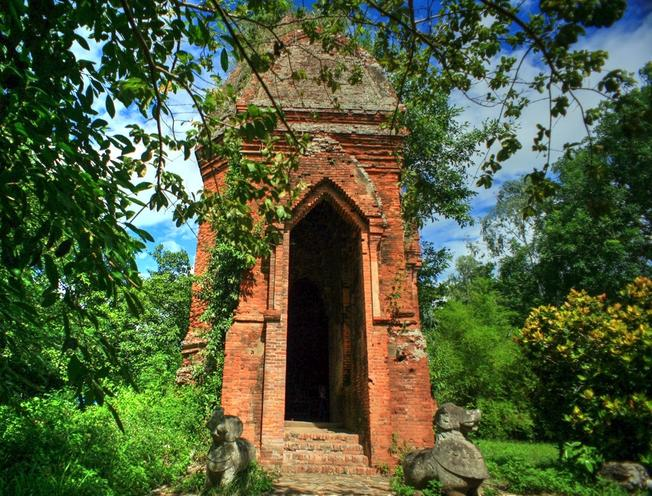
Near Hoi An, this lesser-visited Cham tower stands out for its unique octagonal shape. Quiet and atmospheric, it’s perfect for those seeking solitude among ruins.
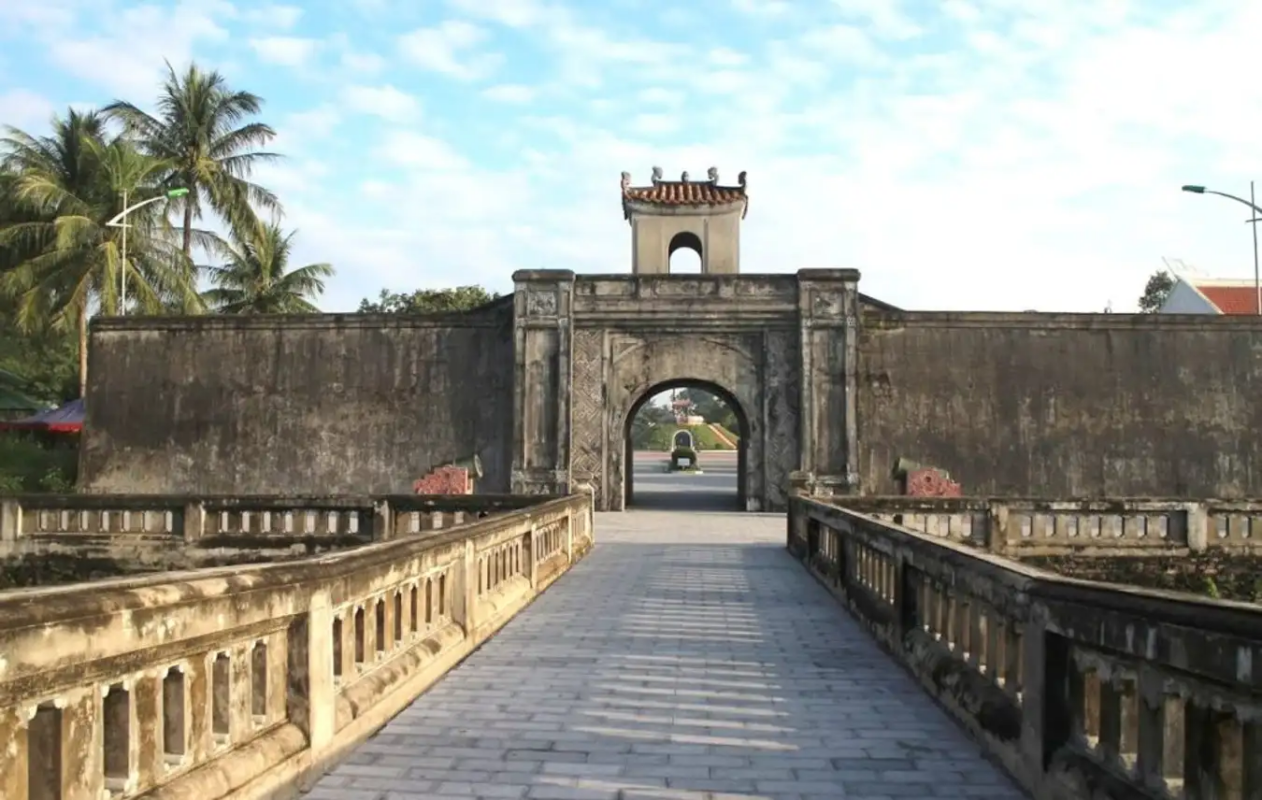
8. Quang Tri Old Citadel – Heavily Bombed War Relic (Central Vietnam)
Near the DMZ, this citadel was devastated during the 1972 Easter Offensive. Bullet-scarred walls and a small museum tell the story of intense fighting.
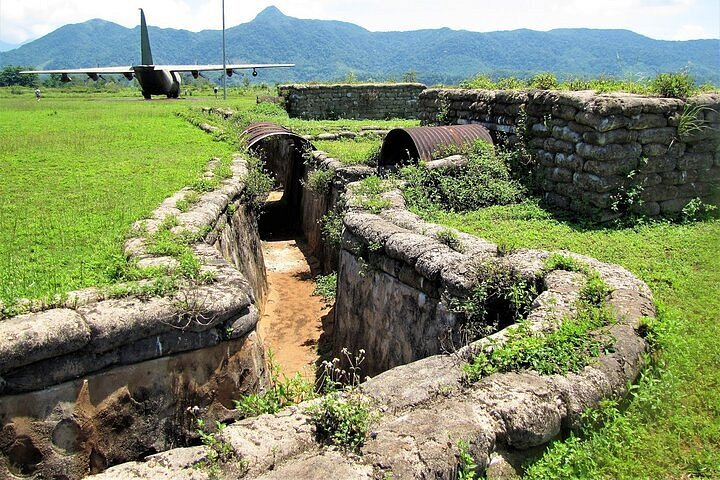
9. Khe Sanh Combat Base – Remote Battlefield (Quang Tri Province)
This former U.S. Marine base, site of a major 1968 siege, now features a museum with helicopters and artillery amid overgrown fields. It’s hauntingly quiet.
Tips for Visiting Lesser-Known Historical Sites
- Best time — Dry season (February–August central/south; March–May/September–November north).
- Transport — Private drivers or guided tours recommended for remote sites.
- Respect — Dress modestly, move quietly, and support local guides.
- Combine visits — Pair war sites with nearby nature for balance.
These lesser-known historical sites reveal Vietnam’s layered past — from ancient empires to wartime endurance — offering deeper understanding and quieter reflection. Venture off the beaten path, and you’ll find stories that resonate long after you leave.
Which hidden site intrigues you most — underground shelters or ancient capitals? Share in the comments — Vietnam’s history awaits your discovery! 🏛️
